 MedLens
Loading…
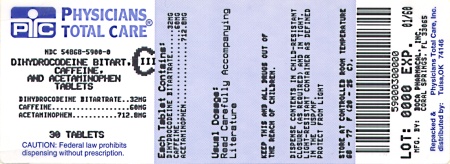
Tablets · Physicians Total Care, Inc.
Dosage Form
Tablets
Manufacturer
Physicians Total Care, Inc.
This medication contains important usage instructions, warnings, and side effect information that you should review before use.
Acetaminophen, caffeine, and dihydrocodeine bitartrate tablets are indicated for the relief of moderate to moderately severe pain.
The usual adult dosage is one (1) Acetaminophen, caffeine, and dihydrocodeine bitartrate tablets orally every four (4) hours, as needed. Dosage should be adjusted according to the severity of the pain and the response of the patient. No more than one (1) tablet should be taken in a 4-hour period. No more than five (5) doses, or five (5) tablets should be taken in a 24-hour period.
This combination product is contraindicated in persons with hypersensitivity to dihydrocodeine, codeine, acetaminophen, caffeine, or any of the inactive components listed above, or any situation where opioids are contraindicated including significant respiratory depression (in unmonitored settings or in the absence of resuscitative equipment), acute or severe bronchial asthma or hypercapnia, and paralytic ileus.
Dihydrocodeine with Other Central Nervous System Depressants:
Patients receiving other opioid analgesics, sedatives or hypnotics, muscle relaxants, general anesthetics, centrally acting anti-emetics, phenothiazines or other tranquilizers, or alcohol concomitantly with this combination product may exhibit additive depressant effects on the central nervous system. When such combined therapy is contemplated, the dose of one or both agents should be reduced.
Dihydrocodeine with Monoamine Oxidase Inhibitors:
Dihydrocodeine, like all opioid analgesics, interacts with monoamine oxidase inhibitors causing central nervous system excitation and hypertension.
Dihydrocodeine with Mixed Agonist/Antagonist Opioid Analgesics:
Agonist/antagonist analgesics (i.e., pentazocine, nalbuphine, butorphanol and buprenorphine) may reduce the analgesic effect of this combination product.
Acetaminophen-Drug Interactions:
Chronic and excessive consumption of alcohol may increase the hepatotoxic risk of acetaminophen. The potential for hepatotoxicity with acetaminophen also may be increased in patients receiving anticonvulsants that induce hepatic microsomal enzymes (including phenytoin, barbiturates, and carbamazepine) or isoniazide. Chronic ingestion of large doses of acetaminophen may slightly potentiate the effects of warfarin- and indandione- derivative anticoagulants. Severe hypothermia is possible in patients receiving acetaminophen concomitantly with phenothiazines.
Caffeine-Drug Interactions:
Caffeine may enhance the cardiac inotropic effects of beta-adrenergic stimulating agents. Coadministration of caffeine and disulfiram may lead to a substantial decrease in caffeine clearance. Caffeine may increase the metabolism of other drugs such as phenobarbital and aspirin. Caffeine accumulation may occur when products or foods containing caffeine are consumed concomitantly with quinolones such as ciprofloxacin.
Dihydrocodeine:
The most frequently observed adverse reactions include light-headedness, dizziness, drowsiness, headache, fatigue, sedation, sweating, nausea, vomiting, constipation, pruritus, and skin reactions. With the exception of constipation, tolerance develops to most of these effects. Other reactions that have been observed with dihydrocodeine or other opioids include respiratory depression, orthostatic hypotension, cough suppression, confusion, diarrhea, miosis, abdominal pain, dry mouth, indigestion, anorexia, spasm of biliary tract, and urinary retention. Physical and psychological dependence are possibilities. Hypersensitivity reactions (including anaphylactoid reactions), hallucinations, vivid dreams, granulomatous interstitial nephritis, severe narcosis and acute renal failure have been reported rarely during dihydrocodeine administration.
Acetaminophen:
Acetaminophen in therapeutic doses rarely causes adverse reactions.
The most serious adverse reaction is hepatoxicity from overdosage (see OVERDOSAGE ). Thrombocytopenia, leukopenia, pancytopenia, neutropenia, thrombocytopenic purpura, and agranulocytosis have been reported in patients receiving acetaminophen or p-aminophenol derivatives. Hypersensitivity reactions including urticarial or erythematous skin reactions, laryngeal edema, angioedema, or anaphylactoid reactions are rare.
Caffeine:
Adverse reactions associated with caffeine use include anxiety, anxiety neurosis, excitement, headaches, insomnia, irritability, lightheadedness, restlessness, tenseness, tremor, extrasystoles, palpitations, tachycardia, diarrhea, nausea, stomach pain, vomiting, diuresis, urticarcia, scintillating scotoma, and tinnitus.
Teratogenic Effects – Pregnancy Category C.
Animal reproduction studies have not been conducted with Acetaminophen, caffeine, and dihydrocodeine bitartrate tablets. It is also not known whether this combination product can cause fetal harm when administered to pregnant women or can affect reproduction capacity in males and females. This combination product should be given to pregnant women only if clearly needed, especially during the first trimester.
Dihydrocodeine bitartrate, acetaminophen and caffeine tablets are excreted in breast milk in small amounts, but the significance of their effects on nursing infants is not known. Because of the potential for serious adverse reactions in nursing infants from this combination product, a decision should be made whether to discontinue nursing or to discontinue the drug, taking into account the importance of the drug to the mother.
Safety and effectiveness of Acetaminophen, caffeine, and dihydrocodeine bitartrate tablets in pediatric patients have not been established.
Acetaminophen, caffeine, and dihydrocodeine bitartrate tablets should be given with caution to the elderly.
Following an acute overdosage with Acetaminophen, caffeine, and dihydrocodeine bitartrate tablets, toxicity may result from the dihydrocodeine, acetaminophen, or, less likely, caffeine component. An overdose is a potentially lethal polydrug overdose situation, and consultation with a regional poison control center is recommended. A listing of the poison control centers can be found in standard references such as the Physician's Desk Reference®.
Signs and Symptoms and Laboratory Findings:
Toxicity from dihydrocodeine is typical of opioids and includes pinpoint pupils, respiratory depression, and loss of consciousness. Convulsions, cardiovascular collapse, and death may occur. A single case of acute rhabdomyolysis associated with an overdose of dihydrocodeine has been reported. With acetaminophen, dose-dependent potentially fatal hepatic necrosis is the most serious adverse effect. Renal tubular necrosis, hypoglycemic coma, and thrombocytopenia may occur. Early symptoms of hepatotoxicity include nausea, vomiting, diaphoresis, and general malaise. Clinical and laboratory evidence of hepatic toxicity may not be apparent until 48 to 72 hours after ingestion. Acute caffeine poisoning may cause insomnia, restlessness, tremor, delirium, tachycardia, extrasystoles, and seizures.
Because overdose information on this combination product is limited, it is unclear which of the signs and symptoms of toxicity would manifest in any particular overdose situation.
Treatment:
Immediate treatment of an overdosage of Acetaminophen, caffeine, and dihydrocodeine bitartrate tablets includes support of cardiorespiratory function and measures to reduce drug absorption. Vomiting should be induced with syrup of ipecac, if the patient is alert and has adequate laryngeal reflexes. Oral activated charcoal should follow. The first dose of charcoal should be accompanied by an appropriate cathartic. Gastric lavage may be necessary. Hypotension is usually hypovolemic and should be treated with fluids. Endotracheal intubation and artificial respiration may be necessary. Peritoneal or hemodialysis may be necessary. If hypoprothrombinemia occurs, Vitamin K should be administered.
A pure opioid antagonist, such as naloxone or nalmefene, is a specific antidote against respiratory depression which results from opioid overdose. Opioid antagonists should not be given in the absence of clinically significant respiratory or circulatory depression secondary to opioid overdose. They should be administered cautiously to persons who are known, or suspected to be, physically dependent on any opioid agonist including Acetaminophen, caffeine, and dihydrocodeine bitartrate tablets. In such cases, an abrupt or complete reversal of opioid effects may precipitate an acute abstinence syndrome. The prescribing information for the specific opioid antagonist should be consulted for details of their proper use.
In adults and adolescents, regardless of the quantity of acetaminophen reported to have been ingested, acetylcysteine should be administered immediately if 24 hours or less have elapsed from the reported time of ingestion. It is not advisable to await the plasma concentration determination of acetaminophen before administering acetylcysteine. Serum liver enzyme levels should be measured. Therapy in children involves a similar treatment scheme; however, a regional Poison Control Center should be contacted. No specific antidote is available for caffeine. In addition to the supportive measures above, administration of demulcents such as aluminum hydroxide gel may diminish gastrointestinal irritation. Seizures may be treated with intravenous diazepam or a barbiturate.
Patients receiving Acetaminophen, caffeine, and dihydrocodeine bitartrate tablets should be given the following information:
Acetaminophen, caffeine, and dihydrocodeine bitartrate tablets are supplied in tablet form for oral administration.
Each tablet contains:
Acetaminophenִִִִִִִִִִִִִִִִִִִִִִִִִִִִִִִִ712.8 mg
Caffeineִִִִִִִִִִִִִִִִִִִִִִִִִִִִִִִִִִִִִִִִִִִִִ60 mg
Dihydrocodeine* bitartrateִִִִִִִִִִִִִִִִִִִִִִ32 mg
*Warning: May be habit forming
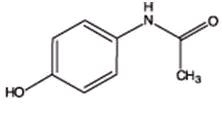
Acetaminophen (4'-hydroxyacetanilide), a slightly bitter, white, odorless, crystalline powder, is a non-opiate, non-salicylate analgesic and antipyretic.
It has the following structural formula:
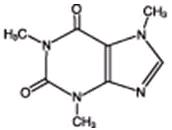
[image: MM1]Caffeine (1,3,7-trimethylxanthine), a bitter, white crystalline powder, is a central nervous system stimulant. It has the following structural formula:
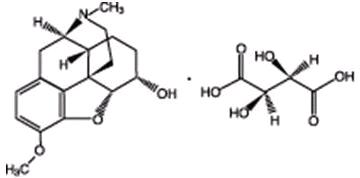
[image: MM2]Dihydrocodeine Bitartrate (4,5a-epoxy-3-methoxy-17-methylmDihydrocodeine Bitartrate (4,5a-epoxy-3-methoxy-17-methylmDihydrocodeine Bitartrate (4,5a-epoxy-3-methoxy-17-methylmDihydrocodeine Bitartrate (4,5a-epoxy-3-methoxy-17-methylmorphinan-6a-ol (+)-tartrate), an odorless, fine white powder is an opioid analgesic. It has the following structural formula:
[image: MM3]In addition, each tablet also contains the following inactive ingredients: crospovidone, magnesium stearate, microcrystalline cellulose, povidone, pregelatinized starch, stearic acid.
Dihydrocodeine/Acetaminophen/Caffeine
32 mg/712.8 mg/60 mg
[image: MM4]Acetaminophen, caffeine, and dihydrocodeine bitartrate tablets, containing acetaminophen 712.8 mg, caffeine 60 mg and dihydrocodeine* bitartrate 32 mg (*Warning: May be habit-forming). Tablets are white, oval-shaped single scored and are debossed “Boca” on one side and “611” on the other side; are supplied in
| Bottles of 30 |
NDC 54868-5900-0 |
Store at 20°C to 25°C (68°F to 77°F). [see USP Controlled Room Temperature]. Protect from moisture.
Dispense in a tight, light-resistant container with a child-resistant closure.
Call your doctor for medical advice about side effects. You may report side effects to the FDA at 1-800-FDA-1088.
Rx Only
Manufactured for:
Boca Pharmacal, Inc.
Coral Springs, FL 33065
www.bocapharmacal.com
Rev. 06/09
Physician’s Desk Reference® is the registered trademark of Thomson Healthcare, Inc.
Relabeling and Repackaging by:
Physicians Total Care, Inc.
Tulsa, OK 74146
Photos of the product and/or packaging supplied by the manufacturer.
Acetaminophen, caffeine, and dihydrocodeine bitartrate tablets contain dihydrocodeine which is a semisynthetic narcotic analgesic related to codeine, with multiple actions qualitatively similar to those of codeine; the most prominent of these involve the central nervous system and organs with smooth muscle components. The principal action of therapeutic value is analgesia.
This combination product also contains acetaminophen, a non-opiate, non-salicylate analgesic and antipyretic. This combination product contains caffeine as an analgesic adjuvant. Caffeine is also a central nervous system and cardiovascular stimulant.
Acetaminophen, caffeine, and dihydrocodeine bitartrate tablets are not recommended for use by women during and immediately before labor and delivery because oral opioids may cause respiratory depression in the newborn.
Create a free account to view complete drug information, save medications, and more.
Free forever · No credit card required