 MedLens
Loading…
Generic name: LISINOPRIL, ARGININE
Physician Therapeutics LLC
Dosage Form
N/A
Manufacturer
Physician Therapeutics LLC
This medication contains important usage instructions, warnings, and side effect information that you should review before use.
USE IN PREGNANCY
When used in pregnancy, during the second and third trimesters, ACE inhibitors can cause injury and even death to the developing fetus. When pregnancy is detected, Lisinopril Tablets should be discontinued as soon as possible. See WARNINGS, Fetal/Neonatal Morbidity and Mortality.
INDICATIONS AND USAGE
Hypertension
Lisinopril Tablets are indicated for the treatment of hypertension. It may be used alone as initial therapy or concomitantly with other classes of antihypertensive agents.
Heart Failure
Lisinopril Tablets are indicated as adjunctive therapy in the management of heart failure in patients who are not responding adequately to diuretics and digitalis.
Acute Myocardial Infarction
Lisinopril Tablets are indicated for the treatment of hemodynamically stable patients within 24 hours of acute myocardial infarction, to improve survival. Patients should receive, as appropriate, the standard recommended treatments such as thrombolytics, aspirin and beta-blockers.
In using Lisinopril Tablets, consideration should be given to the fact that another angiotensin-converting enzyme inhibitor, captopril, has caused agranulocytosis, particularly in patients with renal impairment or collagen vascular disease, and that available data are insufficient to show that Lisinopril Tablets do not have a similar risk.(See WARNINGS.)
In considering the use of Lisinopril Tablets, it should be noted that in controlled clinical trials ACE inhibitors have an effect on blood pressure that is less in Black patients than in non-Blacks. In addition, ACE inhibitors have been associated with a higher rate of angioedema in Black than in non-Black patients. (See WARNINGS, Anaphylactoid and Possibly Related Reactions.)
INDICATIONS FOR USE Hypertensa is intended for the clinical dietary management of the metabolic processes in patients with hypertension.
DOSAGE AND ADMINISTRATION
Hypertension
Initial Therapy:
In patients with uncomplicated essential hypertension not on diuretic therapy, the recommended initial dose is 10 mg once a day. Dosage should be adjusted according to blood pressure response. The usual dosage range is 20 to 40 mg per day administered in a single daily dose. The antihypertensive effect may diminish toward the end of the dosing interval regardless of the administered dose, but most commonly with a dose of 10 mg daily. This can be evaluated by measuring blood pressure just prior to dosing to determine whether satisfactory control is being maintained for 24 hours. If it is not, an increase in dose should be considered. Doses up to 80 mg have been used but do not appear to give greater effect. If blood pressure is not controlled with Lisinopril Tablets alone, a low dose of a diuretic may be added. Hydrochlorothiazide, 12.5 mg has been shown to provide an additive effect. After the addition of a diuretic, it may be possible to reduce the dose of Lisinopril Tablets.
Diuretic Treated Patients:
In hypertensive patients who are currently being treated with a diuretic, symptomatic hypotension may occur occasionally following the initial dose of Lisinopril Tablets. The diuretic should be discontinued, if possible, for two to three days before beginning therapy with Lisinopril Tablets to reduce the likelihood of hypotension. (See WARNINGS.) The dosage of Lisinopril Tablets should be adjusted according to blood pressure response. If the patient"s blood pressure is not controlled with Lisinopril Tablets alone, diuretic therapy may be resumed as described above.
If the diuretic cannot be discontinued, an initial dose of 5 mg should be used under medical supervision for at least two hours and until blood pressure has stabilized for at least an additional hour. (See WARNINGS andPRECAUTIONS, Drug Interactions.)
Concomitant administration of Lisinopril Tablets with potassium supplements, potassium salt substitutes, or potassium sparing diuretics may lead to increases of serum potassium. (See PRECAUTIONS.)
Dosage Adjustment in Renal Impairment:
The usual dose of Lisinopril Tablets (10 mg) is recommended for patients with creatinine clearance greater than 30 mL/min (serum creatinine of
up to approximately 3 mg/dL). For patients with creatinine clearance greater than or equal to 10 mL/min less than or equal to 30 mL/min (serum creatinine greater than or equal to 3 mg/dL), the first dose is 5 mg once daily. For patients with creatinine clearance less than 10 mL/min (usually on hemodialysis) the recommended initial dose is 2.5 mg. The dosage may be titrated upward until blood pressure is controlled or to a maximum of 40 mg daily.
| Renal status |
Renal status |
| Normal Renal Function to Mild Impairment Moderate to Severe Impairment Dialysis Patients |
10 mg 5 mg 2.5 mg |
| See WARNINGS, Anaphylactoid Reactions During Membrane Exposure. Dosage or dosing interval should be adjusted depending on the blood pressure response. |
See WARNINGS, Anaphylactoid Reactions During Membrane Exposure. Dosage or dosing interval should be adjusted depending on the blood pressure response. |
Heart Failure
Lisinopril Tablets are indicated as adjunctive therapy with diuretics and (usually) digitalis. The recommended starting dose is 5 mg once a day. When initiating treatment with lisinopril in patients with heart failure, the initial dose should be administered under medical observation, especially in those patients with low blood pressure (systolic blood pressure below 100 mmHg). The mean peak blood pressure lowering occurs six to eight hours after dosing. Observation should continue until blood pressure is stable. The concomitant diuretic dose should be reduced, if possible, to help minimize hypovolemia which may contribute to hypotension. (See WARNINGS and PRECAUTIONS, Drug Interactions.) The appearance of hypotension after the initial dose of Lisinopril Tablets does not preclude subsequent careful dose titration with the drug, following effective management of the hypotension.
The usual effective dosage range is 5 to 40 mg per day administered as a single daily dose. The dose of Lisinopril Tablets can be increased by increments of no greater than 10 mg, at intervals of no less than 2 weeks to the highest tolerated dose, up to a maximum of 40 mg daily. Dose adjustment should be based on the clinical response of individual patients.
Dosage Adjustment in Patients with Heart Failure and Renal Impairment or Hyponatremia:
In patients with heart failure who have hyponatremia (serum sodium less than 130 mEq/L) or moderate to severe renal impairment (creatinine clearance £ 30 mL/min or serum creatinine greater than 3 mg/dL), therapy with Lisinopril Tablets should be initiated at a dose of 2.5 mg once a
day under close medical supervision. (See WARNINGS and PRECAUTIONS, Drug Interactions.)
Acute Myocardial Infarction:
In hemodynamically stable patients within 24 hours of the onset of symptoms of acute myocardial infarction, the first does of Lisinopril Tablets is 5 mg given orally, followed by 5 mg after 24 hours, 10 mg after 48 hours and then 10 mg of Lisinopril Tablets once daily. Dosing should continue for six weeks. Patients should receive, as appropriate, the standard recommended treatments such as thrombolytics, aspirin, and beta-blockers.
Patients with a low systolic blood pressure (£ 120 mmHg) when treatment is started or during the first 3 days after the infarct should be given a lower 2.5 mg oral dose of Lisinopril Tablets (see WARNINGS ). If hypotension occurs (systolic blood pressure £100 mmHg) a daily maintenance dose of 5 mg may be given with temporary reductions to 2.5 mg if needed. If prolonged hypotension occurs (systolic blood pressure less than 90 mmHg for more than 1 hour) Lisinopril Tablets should be withdrawn. For patients who develop symptoms of heart failure, see DOSAGE AND ADMINISTRATION, Heart Failure.
Dosage Adjustment in Patients With Myocardial Infarction with Renal Impairment:
In acute myocardial infarction, treatment with Lisinopril Tablets should be initiated with caution in patients with evidence of renal dysfunction, defined as serum creatinine concentration exceeding 2 mg/dL. No evaluation of dosing adjustments in myocardial infarction patients with severe renal impairment has been performed.
Use in Elderly
In general, the clinical response was similar in younger and older patients given similar doses of Lisinopril Tablets. Pharmacokinetic studies, however indicate that maximum blood levels and area under the plasma concentration time curve (AUC) are doubled in older patients, so that dosage adjustments should be made with particular caution.
Pediatric Hypertensive Patients greater than or equal to 6 years of age
The usual recommended starting dose is 0.07 mg/kg once daily (up to 5 mg total). Dosage should be adjusted according to blood pressure response. Doses above 0.61 mg/kg (or in excess of 40 mg) have not been studied in pediatric patients. (SeeCLINICAL PHARMACOLOGY, Pharmacokinetics and Metabolism and Pharmacodynamics and Clinical Effects.)
Lisinopril Tablets are not recommended in pediatric patients less than 6 years or in pediatric patients with glomerular filtration rate less than30 mL/
min/1.73 m2 (see CLINICAL PHARMACOLOGY, Pharmacokinetics and Metabolism andPharmacodynamicsand Clinical Effects and PRECAUTIONS).
Preparation of Suspension (for 200 mL of a 1.0 mg/mL suspension)
Add 10 mL of Purified Water USP to a polyethylene terephthalate (PET) bottle containing ten 20 mg Lisinopril Tablets and shake for at least one minute. Add 30 mL of Bicitra[1] diluent and 160 mL of Ora Sweet SF™[2] to the concentrate in the PET bottle and gently shake for several seconds to disperse the ingredients. The suspension should be stored at or below 25°C (77°F) and can be stored for up to four weeks. Shake the suspension before each use.
[1] Registered trademark of Alza Corporation
[2] Trademark of Paddock Laboratories, Inc.
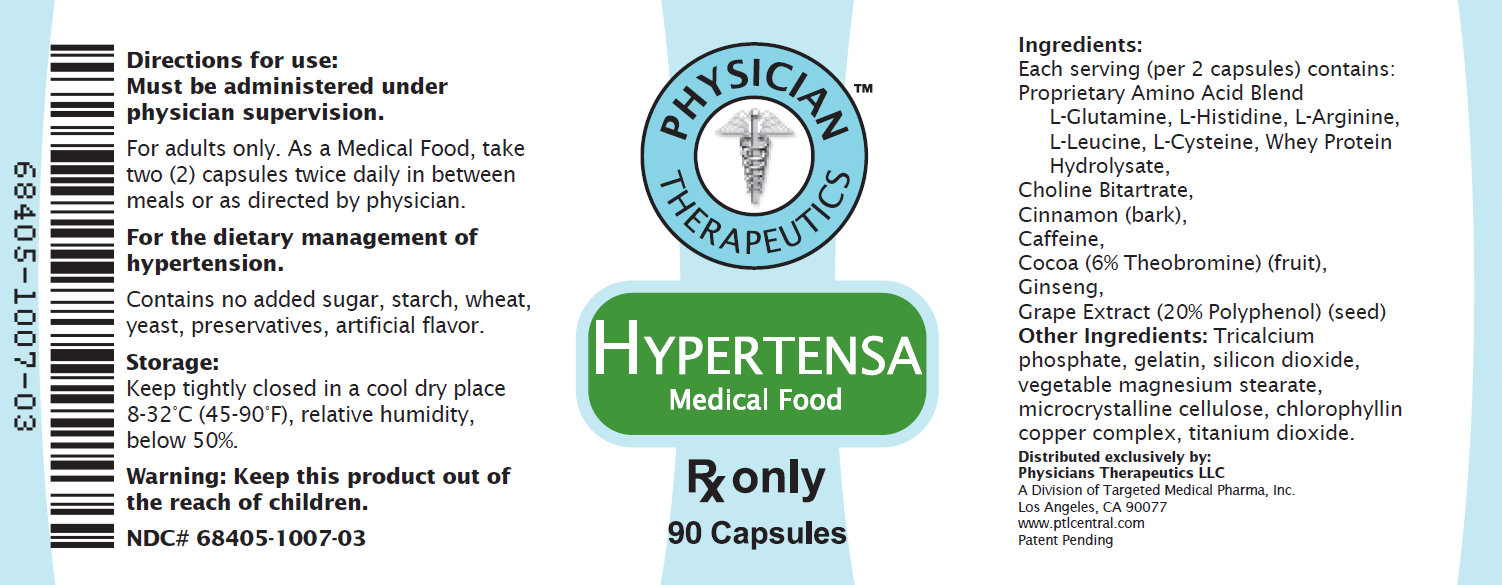
DOSAGE AND ADMINISTRATION Recommended Administration For the dietary management of the metabolic processes associated with hypertension. Take (2) capsules once or twice daily, as directed by physician. As with most amino acid formulations Hypertensa should be taken without food to increase the absorption of key ingredients.
CONTRAINDICATIONS
Lisinopril Tablets are contraindicated in patients who are hypersensitive to this product and in patients with a history of angioedema related to previous treatment with an angiotensin converting enzyme inhibitor and in patients with hereditary or idiopathic angioedema.
PRECAUTIONS AND CONTRAINDICATIONS Hypertensa is contraindicated in an extremely small number of patients with hypersensitivity to any of the nutritional components of Hypertensa.
Drug Interactions
Hypotension:
Patients on Diuretic Therapy: Patients on diuretics and especially those in whom diuretic therapy was recently instituted, may occasionally experience an excessive reduction of blood pressure after initiation of therapy with Lisinopril Tablets. The possibility of hypotensive effects with Lisinopril Tablets can be minimized by either discontinuing the diuretic or increasing the salt intake prior to initiation of treatment with Lisinopril Tablets. If it is necessary to continue the diuretic, initiate therapy with Lisinopril Tablets at a dose of 5 mg daily, and provide close medical supervision after the initial dose until blood pressure has stabilized. (See WARNINGS and DOSAGE AND ADMINISTRATION.) When a diuretic is added to the therapy of a patient receiving Lisinopril Tablets, an additional antihypertensive effect is usually observed. Studies with ACE inhibitors in combination with diuretics indicate that the dose of the ACE inhibitor can be reduced when it is given with a diuretic. (See DOSAGE AND ADMINISTRATION.)
Antidiabetics:
Epidemiological studies have suggested that concomitant administration of ACE inhibitors and antidiabetic medicines (insulins, oral hypoglycemic agents) may cause an increased blood-glucose lowering effect with risk of hypoglycemia. This phenomenon appeared to be more likely to occur during the first weeks of combined treatment and in patients with renal impairment. In diabetic patients treated with oral antidiabetic agents or insulin, glycemic control should be closely monitored for hypoglycemia, especially during the first month of treatment with an ACE inhibitor.
Non-steroidal Anti-inflammatory Agents:
In some patients with compromised renal function who are being treated with non-steroidal anti-inflammatory drugs, the coadministration of lisinopril may result in further deterioration of renal function. These effects are usually reversible. In a study in 36 patients with mild to moderate hypertension where the antihypertensive effects of Lisinopril Tablets alone were compared to Lisinopril Tablets given concomitantly with indomethacin, the use of indomethacin was associated with a reduced effect, although the difference between the two regimens was not significant.
Other Agents:
Lisinopril Tablets have been used concomitantly with nitrates and/or digoxin without evidence of clinically significant adverse interactions. This included post myocardial infarction patients who were receiving intravenous or transdermal nitroglycerin. No clinically important pharmacokinetic interactions occurred when Lisinopril Tablets were used concomitantly with propranolol or hydrochlorothiazide. The presence of food in the stomach does not alter the bioavailability of Lisinopril Tablets.
Agents Increasing Serum Potassium:
Lisinopril Tablets attenuate potassium loss caused by thiazide-type diuretics. Use of Lisinopril Tablets with potassium-sparing diuretics (e.g., spironolactone, eplerenone, triamterene or amiloride), potassium supplements, or potassium-containing salt substitutes may lead to significant increases in serum potassium. Therefore, if concomitant use of these agents is indicated because of demonstrated hypokalemia, they should be used with caution and with frequent monitoring of serum potassium. Potassium-sparing agents should generally not be used in patients with heart failure who are receiving Lisinopril Tablets.
Lithium:
Lithium toxicity has been reported in patients receiving lithium concomitantly with drugs which cause elimination of sodium, including ACE inhibitors. Lithium toxicity was usually reversible upon discontinuation of lithium and the ACE inhibitor. It is recommended that serum lithium levels be monitored frequently if Lisinopril Tablets are administered concomitantly with lithium.
Gold:
Nitritoid reactions (symptoms include facial flushing, nausea, vomiting and hypotension) have been reported rarely in patients on therapy with injectable gold (sodium aurothiomalate) and concomitant ACE inhibitor therapy including Lisinopril Tablets.
ADVERSE REACTIONS
Lisinopril Tablets have been found to be generally well tolerated in controlled clinical trials involving 1969 patients with hypertension or heart failure. For the most part, adverse experiences were mild and transient.
Hypertension
In clinical trials in patients with hypertension treated with Lisinopril Tablets, discontinuation of therapy due to clinical adverse experiences occurred in 5.7% of patients. The overall frequency of adverse experiences could not be related to total daily dosage within the recommended therapeutic dosage range.
For adverse experiences occurring in greater than 1% of patients with hypertension treated with Lisinopril Tablets or Lisinopril Tablets plus hydrochlorothiazide in controlled clinical trials, and more frequently with Lisinopril Tablets and/or Lisinopril Tablets plus hydrochlorothiazide than placebo, comparative incidence data are listed in the table below:
|
|
LISINOPRIL TABLETS 11=1349) Incidence |
LISINOPRIL TABLETS/ Hydrochlorothiazide (n=629) Incidence |
LISINOPRIL TABLETS/ Hydrochlorothiazide (n=629) Incidence |
|
|
(discontinuation) |
(discontinuation) |
(discontinuation) |
| Body as a Whole Fatigue Asthenia Orthostatic Effects Cardiovascular |
2.5 (0.3) 1.3 (0.5) 1.2 (0.0) |
4.0 (0.5) 2.1 (0.2) 3.5 (0.2) |
1.0 (0.0) 1.0 (0.0) 1.0 (0.0) |
|
Hypotension Digestive Diarrhea Nausea Vomiting Dyspepsia Muscoloskeletal Muscle Cramps Nervous/Psychiatric Headache Dizziness Paresthesia Decreased Libido Vertigo Respiratory Cough Upper Respiratory Infection Common Cold Nasal Congestion Influenza Skin Rash Urogenital Impotence |
1.2 (0.5) 2.7 (0.2) 2.0 (0.4) 1.1 (0.2) 0.9 (0.0) 0.5 (0.0) 5.7 (0.2) 5.4 (0.4) 0.8 (0.1) 0.4 (0.1) 0.2 (0.1) 3.5 (0.7) 2.1 (0.1) 1.1 (0.1) 0.4 (0.1) 0.3 (0.1) 1.3 (0.4) 1.0 (0.4) |
1.6 (0.5) 2.7 (0.3) 2.5 (0.2) 1.4 (0.1) 1.9 (0.0) 2.9 (0.8) 4.5 (0.5) 9.2 (1.0) 2.1 (0.2) 1.3 (0.1) 1.1 (0.2) 4.6 (0.8) 2.7 (0 1) 1.3 (0.1) 1.3 (0.1) 1.1 (0.1) 1.6 (0.2) 1.6 (0.5) |
0.5 (0.5) 2.4 (0.0) 2.4 (0.0) 0.5 (0.0) 0.0 (0.0) 0.5 (0.0) 1.9 (0.0) 1.9 (0.0) 0.0 (0.0) 0.0 (0.0) 0.0 (0.0) 1.0 (0.0) 0.0 (0.0) 0.0 (0.0) 0.0 (0.0) 0.0 (0.0) 0.5 (0.5) 0.0 (0.0) |
|
|
LISINOPRIL |
Controlled Trials Placebo |
|
Body as a Whole Chest Pain Abdominal Pain Cardiovascular Hypotension Digestive Diarrhea Nervous/Psychiatric Dizziness Headache Respiratory Upper Respiratory Infection Skin Rash |
(n=407) Incidence (discontinuation) 12 weeks 3.4 (0.2) 2.2 (0.7) 4.4 (1.7) 3.7 (0.5) 11.8 (1.2} 4.4 (0.2) 1.5 (0.0) 1.7 (0.5) |
(n-155) Incidence (discontinuation) 12 weeks 1.3 (0.0) 1.9 (0.0) 0.6 (0.6) 1.7 (0.5) 4.5 (1.3) 3.9 (0.0) 1.3 (0.0) 0.6 (0.6) |
| % of patients Events |
High Dose (N=1568) |
Low Dose (N=1596) |
| Dizziness |
18.9 |
12.1 |
| Hypotension |
10.8 |
6.7 |
| Creatinine increased |
9.9 |
7 |
| Hyperkalemia |
6.4 |
3.5 |
| NPNi increased |
9.2 |
6.5 |
| Syncope |
7 |
5.1 |
| i NPN = non-protein nitrogen |
i NPN = non-protein nitrogen |
i NPN = non-protein nitrogen |
ADVERSE REACTIONS Oral supplementation with L-arginine at high doses up to 15 grams daily is generally well tolerated. The most commonly reported adverse reactions at higher doses — from 15 to 30 grams daily — are nausea, abdominal cramps, and diarrhea. Some patients may experience these symptoms at lower doses. The total combined amount of amino acids in each Hypertensa capsule does not exceed 400 mg.
Pregnancy
Pregnancy Categories C (first trimester) and D (second and third trimesters). See WARNINGS , Fetal/Neonatal Morbidity and Mortality.
Nursing Mothers
Milk of lactating rats contains radioactivity following administration of 14C lisinopril. It is not known whether this drug is excreted
in human milk. Because many drugs are excreted in human milk and because of the potential for serious adverse reactions in nursing
infants from ACE inhibitors, a decision should be made whether to discontinue nursing or discontinue Lisinopril Tablets, taking into
account the importance of the drug to the mother.
Pediatric Use
Antihypertensive effects of lisinopril have been established in hypertensive pediatric patients aged 6 to 16 years.
There are no data on the effect of lisinopril on blood pressure in pediatric patients under the age of 6 or in pediatric patients with glomerular filtration rate less than 30 mL/min/1.73m2 (see CLINICAL PHARMACOLOGY, Pharmacokinetics and Metabolism and Pharmacodynamics and Clinical Effects, and DOSAGE AND ADMINISTRATION).
Geriatric Use
Clinical studies of Lisinopril Tablets in patients with hypertension did not include sufficient numbers of subjects aged 65 and over to determine whether they respond differently from younger subjects. Other clinical experience in this population has not identified differences in responses between the elderly and younger patients. In general, dose selection for an elderly patient should be cautious, usually starting at the low end of the dosing range, reflecting the greater frequency of decreased hepatic, renal, or cardiac function, and of concomitant disease or other drug therapy.
In the ATLAS trial of Lisinopril Tablets in patients with congestive heart failure, 1,596 (50%) were 65 and over, while 437 (14%) were 75 and over. In a clinical study of Lisinopril Tablets in patients with myocardial infarctions 4413 (47%) were 65 and over, while 1656 (18%) were 75 and over. In a clinical study of Lisinopril Tablets in patients with myocardial infarctions 4413 (47%) were 65 and over, while 1656 (18%) were 75 land over. In these studies, no overall differences in safety or effectiveness were observed between elderly and younger patients, and other reported clinical experiences has not identified differences in responses between the elderly and younger patients (see CLINICAL PHARMACOLOGY,Pharmacodynamics and Clinical Effects, Heart Failure and CLINICAL PHARMACOLOGY, Pharmacodynamics and ClinicalEffects, Acute Myocardial Infarction).
Other reported clinical experience has not identified differences in responses between elderly and younger patients, but greater sensitivity of some older individuals cannot be ruled out.
Pharmacokinetic studies indicate that maximum blood levels and area under the plasma concentration time curve (AUC) are doubled in older patients (see CLINICAL PHARMACOLOGY – Pharmacokinetics and Metabolism).
This drug is known to be substantially excreted by the kidney, and the risk of toxic reactions to this drug may be greater in patients with impaired renal function. Because elderly patients are more likely to have decreased renal function, care should be taken in dose selection. Evaluation of patients with hypertension, congestive heart failure, or myocardial infarction should always include assessment of renal function (see DOSAGE AND ADMINISTRATION).
Storage:
Store at 20º to 25ºC (68º to 77ºF)[see USP Controlled Room Temperature]. Protect from moisture, freezing and excessive heat. Dispense in a tight container.
Storage Store at room temperature, 59-86OF (15-30OC) Protect from light and moisture. Hypertensa is supplied to physicians in a recyclable plastic bottle with a child-resistant cap.
Information for Patients
Angioedema:
Angioedema, including laryngeal edema, may occur at any time during treatment with angiotensin-converting enzyme inhibitors, including Lisinopril Tablets. Patients should be so advised and told to report immediately any signs or symptoms suggesting angioedema (swelling of face, extremities, eyes, lips, tongue, difficulty in swallowing or breathing) and to take no more drug until they have consulted with the prescribing physician.
Symptomatic Hypotension:
Patients should be cautioned to report lightheadedness especially during the first few days of therapy. If actual syncope occurs, the patients should be told to discontinue the drug until they have consulted with the prescribing physician.
All patients should be cautioned that excessive perspiration and dehydration may lead to an excessive fall in blood pressure because of reduction in fluid volume. Other causes of volume depletion such as vomiting or diarrhea may also lead to a fall in blood pressure; patients should be advised to consult with their physician.
Hyperkalemia:
Patients should be told not to use salt substitutes containing potassium without consulting their physician.
Hypoglycemia:
Diabetic patients treated with oral antidiabetic agents or insulin starting an ACE inhibitor should be told to closely monitor for hypoglycemia, especially during the first month or combined use (see PRECAUTIONS, Drug Interactions).
Leukopenia/Neutropenia:
Patients should be told to report promptly any indication of infection (e.g., sore throat, fever) which may be a sign of leukopenia/neutropenia.
Pregnancy:
Female patients of childbearing age should be told about the consequences of exposure to ACE inhibitors during pregnancy. These patients should be asked to report pregnancies to their physicians as soon as possible.
NOTE: As with many other drugs, certain advice to patients being treated with Lisinopril Tablets is warranted. This information is intended to aid in the safe and effective use of this medication. It is not a disclosure of all possible adverse or intended effects.
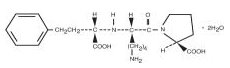
Lisinopril is an oral long-acting angiotensin converting enzyme inhibitor. Lisinopril, a synthetic peptide derivative, is chemically described as (S)-1-[N2-(1-carboxy-3-phenylpropyl)-L-lysyl]-L-proline dihydrate. Its empirical formula is C21H31N3O5(2H2O and its structural formula is:
[image: LSF]
Lisinopril is a white to off-white, crystalline powder, with a molecular weight of 441.53. It is soluble in water and sparingly soluble in methanol and practically insoluble in ethanol.
Lisinopril tablets are supplied as 2.5 mg, 5 mg, 10 mg, 20 mg, 30 mg and 40 mg tablets for oral administration.
Inactive Ingredients:
2.5 mg tablets - colloidal silicon dioxide, dibasic calcium phosphate, magnesium stearate, mannitol, pre-gelatinized starch, starch.
5 mg, 10 mg, 20 mg and 30 mg tablets – colloidal silicon dioxide, dibasic calcium phosphate, magnesium stearate, mannitol, pre-gelatinized starch, red iron oxide, starch.
40 mg tablets - colloidal silicon dioxide, dibasic calcium phosphate, magnesium stearate, mannitol, pre-gelatinized starch, starch, yellow iron oxide.
PRODUCT DESCRIPTION Primary Ingredients Hypertensa consists of a proprietary blend of amino acids, cocoa, cinnamon and flavonoids in specific proportions. These ingredients fall into the category of Generally Regarded as Safe” (GRAS) as defined by the Food and Drug Administration (FDA) (Sections 201(s) and 409 of the Federal Food, Drug, and Cosmetic Act). A GRAS substance is distinguished from a food additive on the basis of the common knowledge about the safety of the substance for its intended use. The standard for an ingredient to achieve GRAS status requires not only technical demonstration of non-toxicity and safety, but also general recognition of safety through widespread usage and agreement of that safety by experts in the field. Many ingredients have been determined by the U.S. Food and Drug Administration (FDA) to be GRAS, and are listed as such by regulation, in Volume 21 Code of Federal Regulations (CFR) Sections 182, 184, and 186. Amino Acids Amino Acids are the building blocks of proteins. All amino acids are GRAS listed as they have been ingested by humans for thousands of years. The doses of the amino acids in Hypertensa are equivalent to those found in the usual human diet. Patients with hypertension may require an increased amount of certain amino acids that cannot be obtained from normal diet alone. Arginine, for example, is a conditional amino acid. The body can make arginine in the liver, but the liver produced arginine can only be used in the liver itself. Arginine is needed to produce nitric oxide (NO). NO is required to dilate the constricted blood vessels that are the cause of high blood pressure. Patients with hypertension have an increase in the enzyme, arginase that degrades arginine before it can be used to produce NO. Some patients with hypertension have a resistance to the use of arginine that is similar to the mechanism found in insulin resistance that is genetically determined. Patients with hypertension cannot acquire sufficient arginine from the diet without ingesting a prohibitively large amount of calories, particularly calories from protein. . Flavonoids Flavonoids are a group of phytochemical compounds found in all vascular plants including fruits and vegetables. They are a part of a larger class of compounds known as polyphenols. Many of the therapeutic or health benefits of colored fruits and vegetables, cocoa, red wine, and green tea are directly related to their flavonoid content. The specially formulated flavonoids found in Hypertensa cannot be obtained from conventional foods in the necessary proportions to elicit a therapeutic response. Other Ingredients Hypertensa contains the following “inactive” or other ingredients, as fillers, excipients, and colorings: magnesium stearate, microcrystalline cellulose, Maltodextrin NF, gelatin (as the capsule material), Physical Description Hypertensa is a yellow to light brown powder. Hypertensa contains L-Glutamine, L-Histadine, L-Arginine, L-Leucine, L-Cysteine, Whey Protein Hydrolysate, Choline Bitartrate, Cinnamon, Caffeine, Cocoa, Ginseng, and Grape Extract.
Lupin Pharmaceuticals, Inc.
Baltimore, Maryland 21202
United States.
Manufactured by:
Lupin Limited
Goa 403 722
INDIA.
Or
Lupin Limited
Pithampur (M.P.) 454 775
INDIA.
Revised: 15th April 2011 ID#: 224652
PRINCIPAL DISPLAY PANELRx Only
2.5 mg
NDC 68180-512-01
100 Tablets
Rx Only
5 mg
NDC 68180-513-01
100 Tablets
Rx Only
10 mg
NDC 68180-514-01
100 Tablets
Rx Only
20 mg
NDC 68180-515-01
100 Tablets
Rx Only
30 mg
NDC 68180-516-01
100 Tablets
Rx Only
40 mg
NDC 68180-517-01
100 Tablets
40 mg
NDC 68180-517-30
5000 Tablets Bulk Pouch for Repackaging
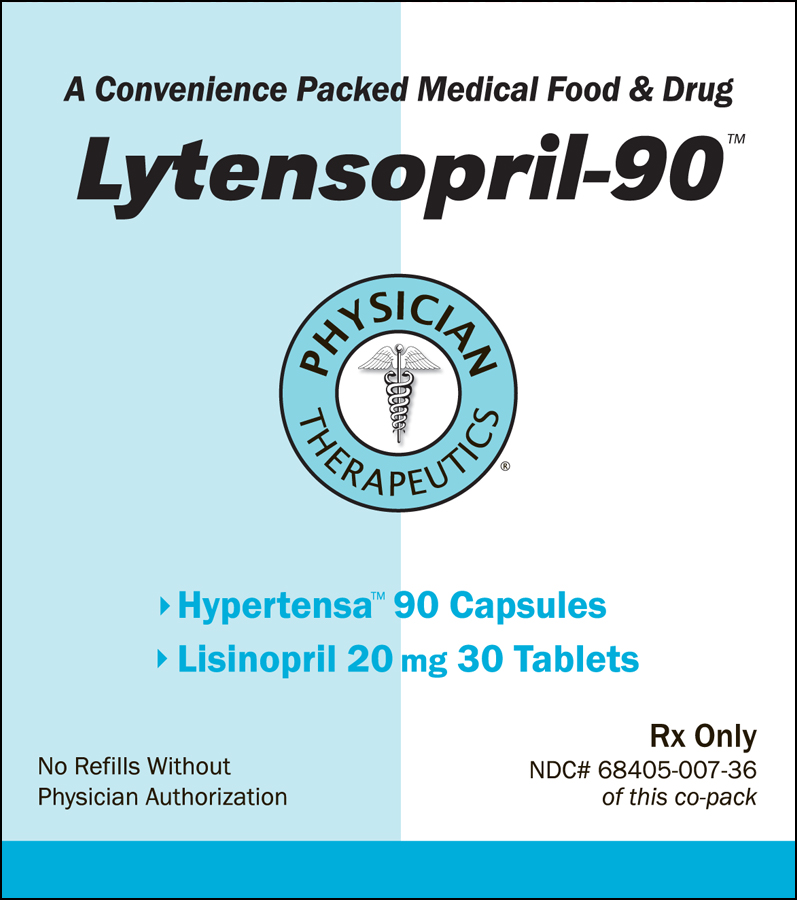
A Convenlence Packed Medical Food And Drug Lytensopril-90 PHYSICIAN THERAPEUTICS
> Hypertensa 90 Capsules > Lisinorpril 20 mg 30 Tablets No Refills Without Physician Authorization Rx Only NDC # 68405-8007-36 of this co-pack For the Dietary Management of Hypertension. Two capsules once or twice daily as directed by physician. See product label and insert. Hypertensa Medical Food FRONT VIEW As prescribed by physician. See product label and product information insert. Lisinopril 20 mg Rx Drug
[image: HL]
[image: LL1]
Lisinopril Tablets, USP are available as:
2.5 mg tablet is a white to off-white, round, biconvex uncoated tablet with ‘LUPIN" debossed on one side and "2.5" on other side. They are available as follows:
Bottles of 90 NDC 68180-512-09
Bottles of 100 NDC 68180-512-01
Bottles of 500 NDC 68180-512-02
Bottles of 1000 NDC 68180-512-03
5 mg tablet is a pink coloured, round, biconvex uncoated tablet with "5" debossed on one side and breakline on other side. They are available as follows:
Bottles of 90 NDC 68180-513-09
Bottles of 100 NDC 68180-513-01
Bottles of 500 NDC 68180-513-02
Bottles of 1000 NDC 68180-513-03
Bottles of 5000 NDC 68180-513-05
10 mg tablet is a pink coloured, round, biconvex uncoated tablet with "LUPIN" debossed on one side and "10" on other side. They are available as follows:
Bottles of 90 NDC 68180-514-09
Bottles of 100 NDC 68180-514-01
Bottles of 500 NDC 68180-514-02
Bottles of 1000 NDC 68180-514-03
Bottles of 5000 NDC 68180-514-05
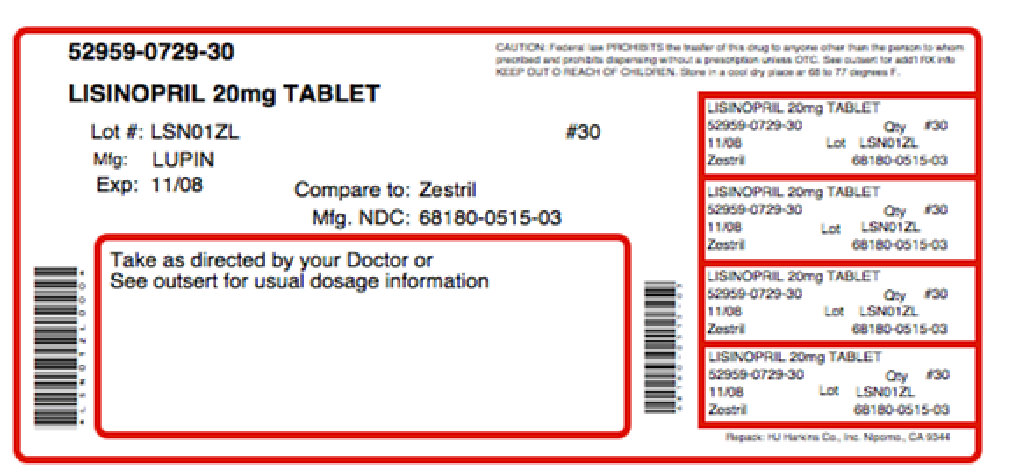
20 mg tablet is a pink coloured, round, biconvex uncoated tablet with "LUPIN" debossed on one side and "20" on other side. They are available as follows:
Bottles of 90 NDC 68180-515-09
Bottles of 100 NDC 68180-515-01
Bottles of 500 NDC 68180-515-02
Bottles of 1000 NDC 68180-515-03
Bottles of 5000 NDC 68180-515-05
30 mg tablet is a red coloured, round, biconvex uncoated tablet with "LUPIN" debossed on one side and "30" on other side. They are available as follows:
Bottles of 90 NDC 68180-516-09
Bottles of 100 NDC 68180-516-01
Bottles of 500 NDC 68180-516-02
Bottles of 1000 NDC 68180-516-03
40 mg tablet is a yellow coloured, round, biconvex uncoated tablet with "LUPIN" debossed on one side and "40" on other side. They are available as follows:
Bottles of 90 NDC 68180-517-09
Bottles of 100 NDC 68180-517-01
Bottles of 500 NDC 68180-517-02
Bottles of 1000 NDC 68180-517-03
Bottles of 2000 NDC 68180-517-04
How Supplied Hypertensa is supplied in green and white, size 0 capsules in bottles of 60 and 90 capsules. Physician Supervision Hypertensa is a Medical Food product available by prescription only, and must be used while the patient is under ongoing physician supervision. U.S. patent pending. Manufactured by Arizona Nutritional Supplements, Inc. Chandler AZ 85225 Distributed by Physician Therapeutics LLC, Los Angeles, CA 90077. www.ptlcentral.com © Copyright 2003-2006, Physician Therapeutics LLC, all rights reserved NDC: 68405-1007-02 NDC: 68405-1007-03
Photos of the product and/or packaging supplied by the manufacturer.
CLINICAL PHARMACOLOGY
Mechanism of Action
Lisinopril inhibits angiotensin-converting enzyme (ACE) in human subjects and animals. ACE is a peptidyl dipeptidase that catalyzes the conversion of angiotensin I to the vasoconstrictor substance, angiotensin II. Angiotensin II also stimulates aldosterone secretion by the adrenal cortex. The beneficial effects of lisinopril in hypertension and heart failure appear to result primarily from suppression of the renin-angiotensin-aldosterone system. Inhibition of ACE results in decreased plasma angiotensin II which leads to decreased vasopressor activity and to decreased aldosterone secretion. The latter decrease may result in a small increase of serum potassium. In hypertensive patients with normal renal function treated with Lisinopril Tablets alone for up to 24 weeks, the mean increase in serum potassium was approximately 0.1 mEq/L; however, approximately 15 % of patients had increases greater than 0.5 mEq/L and approximately 6% had a decrease greater than 0.5 mEq/L. In the same study, patients treated with Lisinopril Tablets and
hydrochlorothiazide for up to 24 weeks had a mean decrease in serum potassium of 0.1 mEq/L; approximately 4% of patients had increases greater than 0.5 mEq/L and approximately 12% had a decrease greater than 0.5 mEq/L.(See PRECAUTIONS.) Removal of angiotensin II negative feedback on renin secretion leads to increased plasma renin activity.
ACE is identical to kininase, an enzyme that degrades bradykinin. Whether increased levels of bradykinin, a potent vasodepressor peptide, play a role in the therapeutic effects of Lisinopril Tablets remains to be elucidated.
While the mechanism through which Lisinopril Tablets lowers blood pressure is believed to be primarily suppression of the reninangiotensin-
aldosterone system, Lisinopril Tablets are antihypertensive even in patients with low-renin hypertension. Although Lisinopril Tablets were antihypertensive in all races studied, Black hypertensive patients (usually a low-renin hypertensive population) had a smaller average response to monotherapy than non-Black patients.
Concomitant administration of Lisinopril Tablets and hydrochlorothiazide further reduced blood pressure in Black and non-Black patients and any racial differences in blood pressure response was no longer evident.
Pharmacokinetics and Metabolism
Adult Patients:
Following oral administration of Lisinopril Tablets, peak serum concentrations of lisinopril occur within about 7 hours, although there was a trend to a small delay in time taken to reach peak serum concentrations in acute myocardial infarction patients. Declining serum concentrations exhibit a prolonged terminal phase which does not contribute to drug accumulation. This terminal phase probably represents saturable binding to ACE and is not proportional to dose.
Lisinopril does not appear to be bound to other serum proteins. Lisinopril does not undergo metabolism and is excreted unchanged entirely in the urine. Based on urinary recovery, the mean extent of absorption of lisinopril is approximately 25%, with large intersubject variability (6%-60%) at all doses tested (5-80 mg). Lisinopril absorption is not influenced by the presence of food in the gastrointestinal tract. The absolute bioavailability of lisinopril is reduced to 16% in patients with stable NYHA Class II-IV congestive heart failure, and the volume of distribution appears to be slightly smaller than that in normal subjects. The oral bioavailability of lisinopril in patients with acute myocardial infarction is similar to that in healthy volunteers.
Upon multiple dosing, lisinopril exhibits an effective half-life of accumulation of 12 hours.
Impaired renal function decreases elimination of lisinopril, which is excreted principally through the kidneys, but this decrease becomes clinically important only when the glomerular filtration rate is below 30 mL/min. Above this glomerular filtration rate, the elimination half-life is little changed. With greater impairment, however, peak and trough lisinopril levels increase, time to peak concentration increases and time to attain steady state is prolonged. Older patients, on average, have (approximately doubled) higher blood levels and area under the plasma concentration time curve (AUC) than younger patients. (See DOSAGE AND ADMINISTRATION.) In a multiple dose pharmacokinetic study in elderly versus young hypertensive patients using the lisinopril/hydrochlorothiazide combination, the AUC increased approximately 120% for lisinopril and approximately 80% for
hydrochlorothiazide in older patients. Lisinopril can be removed by hemodialysis.
Studies in rats indicate that lisinopril crosses the blood-brain barrier poorly. Multiple doses of lisinopril in rats do not result in accumulation in any tissues. Milk of lactating rats contains radioactivity following administration of 14C lisinopril. By whole body autoradiography, radioactivity was found in the placenta following administration of labeled drug to pregnant rats, but none was found in the fetuses.
Pediatric Patients:
The pharmacokinetics of lisinopril were studied in 29 pediatric hypertensive patients between 6 years and 16 years with glomerular filtration rate greater than 30 mL/min/1.73 m2. After doses of 0.1 to 0.2 mg/kg, steady state peak plasma concentrations of lisinopril occurred within 6 hours and the extent of absorption based on urinary recovery was about 28%. These values are similar to those obtained previously in adults. The typical value of lisinopril oral clearance (systemic clearance/absolute bioavailability) in a child weighing 30 kg is 10 L/h, which increases in proportion to renal function.
Pharmacodynamics and Clinical Effects
Hypertension:
Adult Patients
Administration of Lisinopril Tablets to patients with hypertension results in a reduction of both supine and standing blood pressure to about the same extent with no compensatory tachycardia. Symptomatic postural hypotension is usually not observed although it can occur and should be anticipated in volume and/or salt-depleted patients. (See WARNINGS.) When given together with thiazide-type diuretics, the blood pressure lowering effects of the two drugs are approximately additive.
In most patients studied, onset of antihypertensive activity was seen at one hour after oral administration of an individual dose of Lisinopril Tablets, with peak reduction of blood pressure achieved by 6 hours. Although an antihypertensive effect was observed 24 hours after dosing with recommended single daily doses, the effect was more consistent and the mean effect was considerably larger in some studies with doses of 20 mg or more than with lower doses; however, at all doses studied, the mean antihypertensive effect was substantially smaller 24 hours after dosing than it was six hours after dosing.
In some patients achievement of optimal blood pressure reduction may require two to four weeks of therapy.
The antihypertensive effects of Lisinopril Tablets are maintained during long-term therapy. Abrupt withdrawal of Lisinopril Tablets has not been associated with a rapid increase in blood pressure, or a significant increase in blood pressure compared to pretreatment levels.
Two dose-response studies utilizing a once-daily regimen were conducted in 438 mild to moderate hypertensive patients not on a diuretic. Blood pressure was measured 24 hours after dosing. An antihypertensive effect of Lisinopril Tablets was seen with 5 mg in some patients; however, in both studies blood pressure reduction occurred sooner and was greater in patients treated with 10, 20, or 80 mg of Lisinopril Tablets. In controlled clinical studies, Lisinopril Tablets 20-80 mg have been compared in patients with mild to moderate hypertension to hydrochlorothiazide 12.5-50 mg and with atenolol 50-200 mg; and in patients with moderate to severe hypertension to metoprolol 100-200 mg. It was superior to hydrochlorothiazide in effects on systolic and diastolic pressure in a population that was ¾ Caucasian. Lisinopril Tablets were approximately equivalent to atenolol and metoprolol in effects on diastolic blood pressure, and had somewhat greater effects on systolic blood pressure.
Lisinopril Tablets had similar effectiveness and adverse effects in younger and older (greater than 65 years) patients. It was less effective in Blacks than in Caucasians.
In hemodynamic studies in patients with essential hypertension, blood pressure reduction was accompanied by a reduction in peripheral arterial resistance with little or no change in cardiac output and in heart rate. In a study in nine hypertensive patients, following administration of Lisinopril Tablets, there was an increase in mean renal blood flow that was not significant. Data from several small studies are inconsistent with respect to the effect of lisinopril on glomerular filtration rate in hypertensive patients with normal renal function, but suggest that changes, if any, are not large.
In patients with renovascular hypertension Lisinopril Tablets have been shown to be well tolerated and effective in controlling blood pressure. (See PRECAUTIONS.)
Pediatric Patients
In a clinical study involving 115 hypertensive pediatric patients 6 to 16 years of age, patients who weighed less than 50 kg received either 0.625, 2.5 or 20 mg of lisinopril daily and patients who weighed ³ 50 kg received either 1.25, 5, or 40 mg of lisinopril daily. At the end of 2 weeks, lisinopril administered once daily lowered trough blood pressure in a dose-dependent manner with consistent antihypertensive efficacy demonstrated at doses greater than 1.25 mg (0.02 mg/kg). This effect was confirmed in a withdrawal phase, where the diastolic pressure rose by about 9 mmHg more in patients randomized to placebo than it did in patients who were randomized to remain on the middle and high doses of lisinopril. The dose-dependent antihypertensive effect of lisinopril was consistent across several demographic subgroups: age, Tanner stage, gender, and race. In this study, lisinopril was generally well tolerated.
In the above pediatric studies, lisinopril was given either as tablets or in a suspension for those children and infants who were unable to swallow tablets or who required a lower dose than is available in tablet form (see DOSAGE AND ADMINISTRATION, Preparation of Suspension).
Heart Failure
During baseline-controlled clinical trials, in patients receiving digitalis and diuretics, single doses of Lisinopril Tablets resulted in decreases in pulmonary capillary wedge pressure, systemic vascular resistance and blood pressure accompanied by an increase in cardiac output and no change in heart rate.
In two placebo controlled, 12-week clinical studies using doses of Lisinopril Tablets up to 20 mg, Lisinopril Tablets as adjunctive therapy to digitalis and diuretics improved the following signs and symptoms due to congestive heart failure: edema, rales, paroxysmal nocturnal dyspnea and jugular venous distention. In one of the studies, beneficial response was also noted for: orthopnea, presence of third heart sound and the number of patients classified as NYHA Class III and IV. Exercise tolerance was also improved in this study.
The once-daily dosing for the treatment of congestive heart failure was the only dosage regimen used during clinical trial development and was determined by the measurement of hemodynamic response. A large (over 3000 patients) survival study, the ATLAS Trial, comparing 2.5 and 35 mg of lisinopril in patients with heart failure, showed that the higher dose of lisinopril had outcomes at least as favorable as the lower dose.
Acute Myocardial Infarction
The Gruppo Italiano per lo Studio della Sopravvienza nell’Infarto Miocardico (GISSI-3) study was a multicenter, controlled, randomized, unblinded clinical trial conducted in 19,394 patients with acute myocardial infarction admitted to a coronary care unit.
It was designed to examine the effects of short-term (6 week) treatment with lisinopril, nitrates, their combination, or no therapyvon short-term (6 week) mortality and on long-term death and markedly impaired cardiac function. Patients presenting within 24vhours of the onset of symptoms who were hemodynamically stable were randomized, in a 2 x 2 factorial design, to six weeks ofveither 1) Lisinopril Tablets alone (n=4841), 2) nitrates alone (n=4869), 3) Lisinopril Tablets plus nitrates (n=4841), or 4) open control (n=4843). All patients received routine therapies, including thrombolytics (72%), aspirin (84%), and a beta-blocker (31%), as appropriate, normally utilized in acute myocardial infarction (MI) patients.
The protocol excluded patients with hypotension (systolic blood pressure £ 100 mmHg), severe heart failure, cardiogenic shock, and renal dysfunction (serum creatinine greater than2 mg/dL and/or proteinuria greater than 500 mg/24 h). Doses of Lisinopril Tablets were adjusted as necessary according to protocol (see DOSAGE AND ADMINISTRATION).
Study treatment was withdrawn at six weeks except where clinical conditions indicated continuation of treatment.
The primary outcomes of the trial were the overall mortality at six weeks and a combined endpoint at six months after the myocardial infarction, consisting of the number of patients who died, had late (day 4) clinical congestive heart failure, or had extensive left ventricular damage defined Lisinopril Tablets (n=9646), alone or with nitrates, had an 11% lower risk of death (2p [two-tailed] = 0.04) compared to patients receiving no Lisinopril Tablets (n=9672) (6.4% vs. 7.2%, respectively) at six weeks. Although patients randomized to receive Lisinopril Tablets for up to six weeks also fared numerically better on the combined end-point at 6 months, the open nature of the assessment of heart failure, substantial loss to follow-up echocardiography, and substantial excess use of lisinopril between 6 weeks and 6 months in the group randomized to 6 weeks of lisinopril, preclude any conclusion about this endpoint.
Patients with acute myocardial infarction, treated with Lisinopril Tablets, had a higher (9.0% versus 3.7%) incidence of persistent hypotension (systolic blood pressure less than 90 mmHg for more than 1 hour) and renal dysfunction (2.4% versus 1.1%) in-hospital and at six weeks (increasing creatinine concentration to over 3 mg/dL or a doubling or more of the baseline serum creatinine concentration). See ADVERSE REACTIONS - ACUTE MYOCARDIAL INFARCTION.
Carcinogenesis, Mutagenesis, Impairment of Fertility
There was no evidence of a tumorigenic effect when lisinopril was administered for 105 weeks to male and female rats at doses up to 90 mg/kg/day (about 56 or 9 times2 the maximum recommended daily human dose, based on body weight and body surface area, respectively). There was no evidence of carcinogenicity when lisinopril was administered for 92 weeks to (male and female) mice at doses up to 135 mg/kg/day (about 84 times[1] the maximum recommended daily human dose). This dose was 6.8 times the maximum human dose based on body surface area in mice.
Lisinopril was not mutagenic in the Ames microbial mutagen test with or without metabolic activation. It was also negative in a forward mutation assay using Chinese hamster lung cells. Lisinopril did not produce single strand DNA breaks in an in vitro alkaline elution rat hepatocyte assay. In addition, lisinopril did not produce increases in chromosomal aberrations in an in vitro test in Chinese hamster ovary cells or in an in vivo study in mouse bone marrow.
There were no adverse effects on reproductive performance in male and female rats treated with up to 300 mg/kg/day of lisinopril.
This dose is 188 times and 30 times the maximum human dose when based on mg/kg and mg/m2, respectively.
[1] Calculations assume a human weight of 50kg and a human body surface area of 1.62m2
Hypertensa™ PRODUCT INFORMATION Hypertensa (U.S. patent pending) capsules by oral administration. A specially formulated Medical Food product, consisting of a proprietary blend of amino acids and polyphenol ingredients in specific proportions, for the dietary management of the metabolic processes associated with hypertension (HT). Must be administered under physician supervision. Medical Foods Medical Food products are often used in hospitals (e.g., for burn victims or kidney dialysis patients) and outside of a hospital setting under a physician’s care (e.g., for PKU, AIDS patients, cardiovascular disease, sleep disorders) for the dietary management of diseases in patients with particular medical or metabolic needs due to their disease or condition. Congress defined "Medical Food" in the Orphan Drug Act and Amendments of 1988 as "a system which is formulated to be consumed or administered enterally [or orally] under the supervision of a physician and which is intended for the specific dietary management f a disease or condition for which distinctive nutritional requirements, based on recognized scientific principles, are established by medical evaluation." Medical Foods are complex formulated products, requiring sophisticated and exacting technology. Hypertensa has been developed, manufactured, and labeled in accordance with both the statutory and the FDA regulatory definition of a Medical Food. Hypertensa must be used while the patient is under the ongoing care of a physician. HYPERTENSION (HT) HT as a Metabolic Deficiency Disease A critical component of the definition of a Medical Food is the requirement for a distinctive nutritional deficiency. FDA scientists have proposed a physiologic definition of a distinctive nutritional deficiency as follows: “the dietary management of patients with specific diseases requires, in some instances, the ability to meet nutritional requirements that differ substantially from the needs of healthy persons. For example, in establishing the recommended dietary allowances f r general, healthy population, the Food and Nutrition Board of the Institute of Medicine National Academy of Sciences, recognized that different or distinctive physiologic requirements may exist for certain persons with "special nutritional needs arising from metabolic disorders, chronic diseases, injuries, premature birth, other medical conditions and drug therapies. Thus, the distinctive nutritional needs associated with a disease reflect the total amount needed by a healthy person to support life or maintain homeostasis, adjusted for the distinctive changes in the nutritional needs of the patient as a result of the effects of the disease process on absorption, metabolism and excretion.” It was also proposed that in patients with certain disease states who respond to nutritional therapies, a physiologic deficiency of the nutrient is assumed to exist. For example, if a patient with hypertension responds to an arginine formulation by decreasing the blood pressure, a deficiency of arginine is assumed to exist. Patients with hypertension are known to have nutritional deficiencies of arginine, choline, flavonoids, and certain antioxidants. Patients with hypertension frequently exhibit reduced plasma levels of arginine and have been shown to respond to oral administration of an arginine formulation. Research has shown that arginine reduced diets result in a fall of circulating arginine. Patients with hypertension have activation of the arginase pathway that diverts arginine from the production of nitric oxide to production of deleterious nitrogen molecules such as peroxynitrite leading to a reduced level of production of nitric oxide for a given arginine blood level. Research has also shown that a genetic predisposition can lead to increased arginine requirements in certain patients with hypertension. Arginine is required to fully potentiate nitric oxide synthesis by the arterioles. A deficiency of arginine leads to reduced nitric oxide production by the arterioles. Low fat diets, frequently used by patients with hypertension, are usually arginine deficient. Flavonoids potentiate the production of nitric oxide by the arterioles thereby reducing blood pressure in hypertensive patients. Low fat diets and diets deficient in flavonoid rich foods result in inadequate arginine and flavonoid concentrations, impeding nitric oxide production in certain patients with hypertension. Provision of arginine, choline, and flavonoids with antioxidants, in the correct proportions can restore the production of beneficial nitric oxide, thereby reducing blood pressure.
CLINICAL PHARMACOLOGY Mechanism of Action Hypertensa acts by restoring and maintaining the balance of NO in patients with hypertension. Metabolism The amino acids in Hypertensa are primarily absorbed by the stomach and small intestines. All cells metabolize the amino acids in Hypertensa. Circulating arginine and choline blood levels determine the production of NO and acetylcholine. Excretion Hypertensa is not an inhibitor of cytochrome P450 1A2, 2C9, 2C19, 2D6, or 3A4. These isoenzymes are principally responsible for 95% of all detoxification of drugs, with CYP3A4 being responsible for detoxification of roughly 50% of drugs. Amino acids do not appear to have an effect on drug metabolizing enzymes.
CLINICAL EXPERIENCE Administration of Hypertensa has demonstrated significant functional improvements in blood pressure when used for the dietary management of the metabolic processes associated with hypertension. Administration of Hypertensa results in the reduction of blood pressure in hypertensive patients. Hypertensa has no effect on normal blood pressure.
Create a free account to view complete drug information, save medications, and more.
Free forever · No credit card required