 MedLens
Loading…
Capsules Rx only · Xspire Pharma, Llc
Dosage Form
Capsules Rx only
Manufacturer
Xspire Pharma, Llc
This medication contains important usage instructions, warnings, and side effect information that you should review before use.
WARNING: ADDICTION, ABUSE, AND MISUSE; LIFE-THREATENING RESPIRATORY DEPRESSION; ACCIDENTAL INGESTION; ULTRA-RAPID METABOLISM OF CODEINE AND OTHER RISK FACTORS FOR LIFE-THREATENING RESPIRATORY DEPRESSION IN CHILDREN; NEONATAL OPIOID WITHDRAWAL SYNDROME; INTERACTIONS WITH DRUGS AFFECTING CYTOCHROME P450 ISOENZYME; HEPATOTOXICITY and RISKS FROM CONCOMITANT USE WITH BENZODIAZEPINES OR OTHER CNS DEPRESSANTS
Addiction, Abuse and Misuse
Acetaminophen, Caffeine, and Dihydrocodeine Bitartrate expose patients and other users to the risks of opioid addiction, abuse and misuse, which can lead to overdose and death. Assess each patient’s risk prior to prescribing Acetaminophen, Caffeine, and Dihydrocodeine Bitartrate and monitor all patients regularly for the development of these behaviors and conditions [see WARNINGS].
Life-Threatening Respiratory Depression
Serious, life-threatening, or fatal respiratory depression may occur with use of Acetaminophen, Caffeine, and Dihydrocodeine Bitartrate Monitor for respiratory depression, especially during initiation of Acetaminophen, Caffeine, and Dihydrocodeine Bitartrate or following a dose increase [see WARNINGS].
Accidental Ingestion
Accidental ingestion of Acetaminophen, Caffeine, and Dihydrocodeine Bitartrate, especially by children, can result in a fatal overdose of Acetaminophen, Caffeine, and Dihydrocodeine Bitartrate [see WARNINGS].
Ultra-Rapid Metabolism of Codeine and Other Risk Factors for Life-threatening Respiratory Depression in Children
Life-threatening respiratory depression and death have occurred in children who received codeine. Most of the reported cases occurred following tonsillectomy and/or adenoidectomy, and many of the children had evidence of being an ultra-rapid metabolizer of codeine due to CYP2D6 polymorphism [see WARNINGS and PRECAUTIONS]. Acetaminophen, Caffeine, and Dihydrocodeine Bitartrate is contraindicated in children younger than 12 years of age and in children younger than 18 years of age following tonsillectomy and/or adenoidectomy [see CONTRAINDICATIONS]. Avoid the use of Acetaminophen, Caffeine, and Dihydrocodeine Bitartrate in adolescents 12 to 18 years of age who have other risk factors that may increase their sensitivity to the respiratory depressant effects of codeine.
Neonatal Opioid Withdrawal Syndrome
Prolonged use of Acetaminophen, Caffeine, and Dihydrocodeine Bitartrate during pregnancy can result in neonatal opioid withdrawal syndrome, which may be life-threatening if not recognized and treated, and requires management according to protocols developed by neonatology experts. If opioid use is required for a prolonged period in a pregnant woman, advise the patient of the risk of neonatal opioid withdrawal syndrome and ensure that appropriate treatment will be available [see WARNINGS].
Interactions with Drugs Affecting Cytochrome P450 Isoenzymes
The effects of concomitant use or discontinuation of cytochrome P450 3A4 inducers, 3A4 inhibitors, or 2D6 inhibitors with codeine are complex. Use of cytochrome P450 3A4 inducers, 3A4 inhibitors, or 2D6 inhibitors with Acetaminophen, Caffeine, and Dihydrocodeine Bitartrate requires careful consideration of the effects on the parent drug, codeine, and the active metabolite, morphine.
Hepatotoxicity
Acetaminophen has been associated with cases of acute liver failure, at times resulting in liver transplant and death. Most of the cases of liver injury are associated with the use of Acetaminophen at doses that exceed 4,000 milligrams per day, and often involve more than one Acetaminophen-containing product [see WARNINGS].
Risks From Concomitant Use With Benzodiazepines Or Other CNS Depressants
Concomitant use of opioids with benzodiazepines or other central nervous system (CNS) depressants, including alcohol, may result in profound sedation, respiratory depression, coma, and death [see WARNINGS, PRECAUTIONS; Drug Interactions].
• Reserve concomitant prescribing of Acetaminophen, Caffeine, and Dihydrocodeine Bitartrate and benzodiazepines or other CNS depressants for use in patients for whom alternative treatment options are inadequate.
• Limit dosages and durations to the minimum required.
• Follow patients for signs and symptoms of respiratory depression and sedation.
Acetaminophen, Caffeine, and Dihydrocodeine Bitartrate capsules are indicated for the management of pain severe enough to require an opioid analgesic and for which alternative treatments are inadequate.
Limitations of Use
Because of the risks of addiction, abuse, and misuse, with opioids, even at recommended doses [see WARNINGS], reserve Acetaminophen, Caffeine, and Dihydrocodeine Bitartrate for use in patients for whom alternative treatment options [e.g., non-opioid analgesics]
Important Dosage and Administration Instructions
Use the lowest effective dosage for the shortest duration consistent with individual patient treatment goals [see WARNINGS].
Initiate the dosing regimen for each patient individually, taking into account the patient's severity of pain, patient response, prior analgesic treatment experience, and risk factors for addiction, abuse, and misuse [see WARNINGS].
Monitor patients closely for respiratory depression, especially within the first 24-72 hours of initiating therapy and following dosage increases with Acetaminophen, Caffeine, and Dihydrocodeine Bitartrate and adjust the dosage accordingly [see WARNINGS].
Initial Dosage
Initiating treatment with Acetaminophen, Caffeine, and Dihydrocodeine Bitartrate
The usual adult dosage is two (2) Acetaminophen, Caffeine, and Dihydrocodeine Bitartrate capsules orally every four (4) hours, as needed. No more than five (5) doses, or ten (10) capsules should be taken in a 24-hour period.
Conversion from Other Opioids to Acetaminophen, Caffeine, and Dihydrocodeine Bitartrate
There is inter-patient variability in the potency of opioid drugs and opioid formulations. Therefore, a conservative approach is advised when determining the total daily dosage of Acetaminophen, Caffeine, and Dihydrocodeine Bitartrate It is safer to underestimate a patient’s 24-hour Acetaminophen, Caffeine, and Dihydrocodeine Bitartrate dosage than to overestimate the 24-hour Acetaminophen, Caffeine, and Dihydrocodeine Bitartrate dosage and manage an adverse reaction due to overdose.
Titration and Maintenance of Therapy
Individually titrate Acetaminophen, Caffeine, and Dihydrocodeine Bitartrate to a dose that provides adequate analgesia and minimizes adverse reactions. Continually reevaluate patients receiving Acetaminophen, Caffeine, and Dihydrocodeine Bitartrate to assess the maintenance of pain control and the relative incidence of adverse reactions, as well as monitoring for the development of addiction, abuse, or misuse [see WARNINGS]. Frequent communication is important among the prescriber, other members of the healthcare team, the patient, and the caregiver/family during periods of changing analgesic requirements, including initial titration.
If the level of pain increases after dosage stabilization, attempt to identify the source of increased pain before increasing the Acetaminophen, Caffeine, and Dihydrocodeine Bitartrate dosage. If unacceptable opioid-related adverse reactions are observed, consider reducing the dosage. Adjust the dosage to obtain an appropriate balance between management of pain and opioid-related adverse reactions.
Discontinuation of ACETAMINOPHEN, CAFFEINE, AND DIHYDROCODEINE BITARTRATE
When a patient who has been taking Acetaminophen, Caffeine, and Dihydrocodeine Bitartrate regularly and may be physically dependent no longer requires therapy with Acetaminophen, Caffeine, and Dihydrocodeine Bitartrate taper the dose gradually, by 25% to 50% every 2 to 4 days, while monitoring carefully for signs and symptoms of withdrawal. If the patient develops these signs or symptoms, raise the dose to the previous level and taper more slowly, either by increasing the interval between decreases, decreasing the amount of change in dose, or both. Do not abruptly discontinue Acetaminophen, Caffeine, and Dihydrocodeine Bitartrate in a physically-dependent patient [see WARNINGS, DRUG ABUSE AND DEPENDENCE].
Acetaminophen, Caffeine, and Dihydrocodeine Bitartrate is contraindicated for:
Acetaminophen, Caffeine, and Dihydrocodeine Bitartrate is also contraindicated in patients with:
CYP2D6 Inhibitors
Dihydrocodeine in Acetaminophen, Caffeine, and Dihydrocodeine Bitartrate is metabolized by CYP2D6 to form dihydromorphine. The concomitant use of Acetaminophen, Caffeine, and Dihydrocodeine Bitartrate and CYP2D6 inhibitors (e.g., paroxetine, fluoxetine, paroxetine bupropion) can increase the plasma concentration of dihydrocodeine, but can decrease the plasma concentration of active metabolite dihydromorphine which could result in reduced analgesic efficacy or symptoms of opioid withdrawal, particularly when an inhibitor is added after a stable dose of Acetaminophen, Caffeine, and Dihydrocodeine Bitartrate is achieved.
After stopping a CYP2D6 inhibitor, as the effects of the inhibitor decline, the dihydrocodeine plasma concentration will decrease but the active metabolite dihydromorphine plasma concentration will increase, which could increase or prolong adverse reactions and may cause potentially fatal respiratory depression.
If concomitant use with a CYP2D6 inhibitor is necessary or if a CYP2D6 inhibitor is discontinued after concomitant use, consider dosage adjustment of Acetaminophen, Caffeine, and Dihydrocodeine Bitartrate and monitor patients closely at frequent intervals.
If concomitant use with CYP2D6 inhibitors is necessary, follow the patient for reduced efficacy or signs and symptoms of opioid withdrawal and consider increasing the Acetaminophen, Caffeine, and Dihydrocodeine Bitartrate as needed.
After stopping use of a CYP2D6 inhibitor, consider reducing the Acetaminophen, Caffeine, and Dihydrocodeine Bitartrate and monitor the patient for signs and symptoms of respiratory depression or sedation.
CYP3A4 Inhibitors
The concomitant use of Acetaminophen, Caffeine, and Dihydrocodeine Bitartrate with CYP3A4 inhibitors such as macrolide antibiotics (e.g., erythromycin), azole-antifungal agents (e.g. ketoconazole), and protease inhibitors (e.g., ritonavir), may result in an increase in dihydrocodeine plasma concentration with subsequently greater metabolism by cytochrome CYP2D6, resulting in greater dihydromorphine levels, which could increase or prolong adverse reactions and may cause potentially fatal respiratory depression, particularly when an inhibitor is added after a stable dose of Acetaminophen, Caffeine, and Dihydrocodeine Bitartrate is achieved.
After stopping a CYP3A4 inhibitor, as the effects of the inhibitor decline, it may result in lower dihydrocodeine plasma levels, greater dihydronorcodeine levels, and less metabolism via 2D6 with resultant lower dihydromorphine levels, resulting in decreased opioid efficacy or a withdrawal syndrome in patients who had developed physical dependence to dihydrocodeine. If concomitant use with CYP3A4 inhibitor is necessary, consider dosage reduction of Acetaminophen, Caffeine, and Dihydrocodeine Bitartrate until stable drug effects are achieved. Monitor patients for respiratory depression and sedation at frequent intervals.
If a CYP3A4 inhibitor is discontinued, consider increasing the Acetaminophen, Caffeine, and Dihydrocodeine Bitartrate dosage until stable drug effects are achieved. Monitor for signs of opioid withdrawal.
CYP3A4 Inducers
The concomitant use of Acetaminophen, Caffeine, and Dihydrocodeine Bitartrate and CYP3A4 inducers (e.g., rifampin, carbamazepine, phenytoin), can result in lower dihydrocodeine levels, greater dihydronorcodeine levels, and less metabolism via 2D6 with resultant lower dihydromorphine levels, resulting in decreased efficacy or a withdrawal syndrome in patients who had developed physical dependence to dihydrocodeine.
After stopping a CYP3A4 inducer, as the effects of the inhibitor decline, the dihydrocodeine plasma concentration may increase with subsequently greater metabolism by cytochrome CYP2D6, resulting in greater dihydromorphine levels, which could increase or prolong both the therapeutic effects and adverse reactions, and may cause serious respiratory depression.
If concomitant use with CYP3A4 inducer is necessary, follow the patient for reduced efficacy and signs of opioid withdrawal and consider increasing the Acetaminophen, Caffeine, and Dihydrocodeine Bitartrate dosage as needed.
If a CYP3A4 inducer is discontinued, consider Acetaminophen, Caffeine, and Dihydrocodeine Bitartrate dosage reduction and monitor for signs of respiratory depression and sedation at frequent intervals.
Benzodiazepines and Other Central Nervous System (CNS) Depressants
Due to additive pharmacologic effect, the concomitant use of benzodiazepines or other CNS depressants, including alcohol, and other sedatives/hypnotics, anxiolytics, tranquilizers, muscle relaxants, general anesthetics, antipsychotics and other opioids, can increase the risk of hypotension, respiratory depression, profound sedation, coma, and death. Reserve concomitant prescribing of these drugs for use in patients for whom alternative treatment options are inadequate. Limit dosages and durations to the minimum required. Follow patients closely for signs of respiratory depression and sedation [see WARNINGS].
Serotonergic Drugs
The concomitant use of opioids with other drugs that affect the serotonergic neurotransmitter system, such as selective serotonin reuptake inhibitors (SSRIs), serotonin and norepinephrine reuptake inhibitors (SNRIs), tricyclic antidepressants (TCAs), triptans, 5-HT3 receptor antagonists, drugs that effect the serotonin neurotransmitter system (e.g., mirtazapine, trazodone, tramadol), and monoamine oxidase (MAO) inhibitors (used to treat psychiatric disorders and also others, such as linezolid and intravenous methylene blue) [see PRECAUTIONS; Information for Patients].
If concomitant use is warranted, carefully observe the patient, particularly during treatment initiation and dose adjustment. Discontinue Acetaminophen, Caffeine, and Dihydrocodeine Bitartrate immediately if serotonin syndrome is suspected.
Dihydrocodeine with Monoamine Oxidase Inhibitors
Dihydrocodeine, like all opioid analgesics, interacts with monoamine oxidase inhibitors causing central nervous system excitation and hypertension.
Dihydrocodeine with Mixed Agonist/Antagonist Opioid Analgesics
Agonist/antagonist analgesics (i.e., pentazocine, nalbuphine, butorphanol and buprenorphine) may reduce the analgesic effect of this combination product.
Acetaminophen Drug Interactions
Chronic and excessive consumption of alcohol may increase the hepatotoxic risk of Acetaminophen. The potential for hepatotoxicity with Acetaminophen also may be increased in patients receiving anticonvulsants that induce hepatic microsomal enzymes (including phenytoin, barbiturates, and carbamazepine) or isoniazide. Chronic ingestion of large doses of Acetaminophen may slightly potentiate the effects of warfarin-and indandione-derivative anticoagulants. Severe hypothermia is possible in patients receiving Acetaminophen concomitantly with phenothiazines.
Caffeine Drug Interactions
Caffeine may enhance the cardiac inotropic effects of beta-adrenergic stimulating agents. Co-administration of caffeine and disulfiram may lead to a substantial decrease in caffeine clearance. Caffeine may increase the metabolism of other drugs such as phenobarbital and aspirin. Caffeine accumulation may occur when products or foods containing caffeine are consumed concomitantly with quinolones such as ciprofloxacin.
Dihydrocodeine:
The most frequently observed adverse reactions include lightheadedness, dizziness, drowsiness, headache, fatigue, sedation, sweating, nausea, vomiting, constipation, pruritus, and skin reactions. With the exception of constipation, tolerance develops to most of these effects. Other reactions that have been observed with dihydrocodeine or other opioids include respiratory depression, orthostatic hypotension, cough suppression, confusion, diarrhea, miosis, abdominal pain, dry mouth, indigestion, anorexia, spasm of biliary tract, and urinary retention. Physical and psychological dependence are possibilities. Hypersensitivity reactions (including anaphylactoid reactions), hallucinations, vivid dreams, granulomatous interstitial nephritis, severe narcosis and acute renal failure have been reported rarely during dihydrocodeine administration.
Acetaminophen
Acetaminophen in therapeutic doses rarely causes adverse reactions. The most serious adverse reaction is hepatoxicity from overdosage (see OVERDOSAGE). Thrombocytopenia, leukopenia, pancytopenia, neutropenia, thrombocytopenic purpura, and agranulocytosis have been reported in patients receiving Acetaminophen or p-aminophenol derivatives. Hypersensitivity reactions including urticarial or erythematous skin reactions, laryngeal edema, angioedema, or anaphylactoid reactions are rare.
Caffeine
Adverse reactions associated with caffeine use include anxiety, anxiety neurosis, excitement, headaches, insomnia, irritability, lightheadedness, restlessness, tenseness, tremor, extrasystoles, palpitations, tachycardia, diarrhea, nausea, stomach pain, vomiting, diuresis, urticaria, scintillating scotoma, and tinnitus.
Postmarketing Experience
Dihydrocodeine bitartrate and its active metabolite, morphine, are present in human milk. There are published studies and cases that have reported excessive sedation, respiratory depression, and death in infants exposed to codeine via breast milk. Women who are ultra-rapid metabolizers of dihydrocodeine achieve higher than expected serum levels of morphine, potentially leading to higher levels of morphine in breast milk that can be dangerous in their breastfed infants. In women with normal dihydrocodeine metabolism (normal CYP2D6 activity), the amount of dihydrocodeine secreted into human milk is low and dose-dependent.
There is no information on the effects of the dihydrocodeine on milk production. Because of the potential for serious adverse reactions, including excess sedation, respiratory depression, and death in a breastfed infant, advise patients that breastfeeding is not recommended during treatment with Acetaminophen, Caffeine, and Dihydrocodeine Bitartrate [see WARNINGS].
Clinical Considerations
If infants are exposed to Acetaminophen, Caffeine, and Dihydrocodeine Bitartrate through breast milk, they should be monitored for excess sedation and respiratory depression. Withdrawal symptoms can occur in breastfed infants when maternal administration of an opioid analgesic is stopped, or when breast-feeding is stopped.
Acetaminophen and caffeine are also excreted in breast milk in small amounts. Because of the potential for serious adverse reactions in nursing infants from this combination product, a decision should be made whether to discontinue nursing or to discontinue the drug, taking into account the importance of the drug to the mother.
Safety and effectiveness of Acetaminophen, Caffeine, and Dihydrocodeine Bitartrate in pediatric patients have not been established.
Life-threatening respiratory depression and death have occurred in children who received codeine [see WARNINGS]. In most of the reported cases, these events followed tonsillectomy and/or adenoidectomy, and many of the children had evidence of being ultra-rapid metabolizers of codeine (i.e., multiple copies of the gene for cytochrome P450 isoenzyme 2D6 or high morphine concentrations). Children with sleep apnea may be particularly sensitive to the respiratory depressant effects of codeine.
Because of the risk of life-threatening respiratory depression and death:
Elderly patients (aged 65 years or older) may have increased sensitivity to Acetaminophen, Caffeine, and Dihydrocodeine Bitartrate. In general, use caution when selecting a dosage for an elderly patient, usually starting at the low end of the dosing range, reflecting the greater frequency of decreased hepatic, renal, or cardiac function and of concomitant disease or other drug therapy.
Respiratory depression is the chief risk for elderly patients treated with opioids, and has occurred after large initial doses were administered to patients who were not opioid-tolerant or when opioids were co-administered with other agents that depress respiration. Titrate the dosage of Acetaminophen, Caffeine, and Dihydrocodeine Bitartrate slowly in geriatric patients and monitor closely for signs of central nervous system and central nervous system depression [see WARNINGS].
Following an acute overdosage with Acetaminophen, Caffeine, and Dihydrocodeine Bitartrate capsules, toxicity may result from the dihydrocodeine or the Acetaminophen. Toxicity due to the caffeine is less likely, due to the relatively small amounts in this formulation.
Clinical Presentation
Acute overdose with Acetaminophen, Caffeine, and Dihydrocodeine Bitartrate can be manifested by respiratory depression, somnolence progressing to stupor or coma, skeletal muscle flaccidity, cold and clammy skin, constricted pupils, and, in some cases, pulmonary edema, bradycardia, hypotension, partial or complete airway obstruction, atypical snoring, and death. Marked mydriasis rather than miosis may be seen with hypoxia in overdose situations.
Signs and Symptoms
Toxicity from dihydrocodeine poisoning includes the opioid triad of: pinpoint pupils, respiratory depression, and loss of consciousness. Convulsions, cardiovascular collapse, and death may occur. A single case of acute rhabdomyolysis associated with an overdose of dihydrocodeine has been reported. In Acetaminophen overdosage: dose-dependent potentially fatal hepatic necrosis is the most serious adverse effect. Renal tubular necrosis, hypoglycemic coma, and coagulation defects may also occur. Early symptoms following a potentially hepatotoxic overdose may include: nausea, vomiting, diaphoresis, and general malaise. Clinical and laboratory evidence of hepatic toxicity may not be apparent until 48 to 72 hours post-ingestion. Acute caffeine poisoning may cause insomnia, restlessness, tremor, delirium, tachycardia, and extrasystoles.
Because overdose information on this combination product is limited, it is unclear which of the signs and symptoms of toxicity would manifest in any particular overdose situation.
Treatment of Overdose
A single or multiple drug overdose with Acetaminophen, Caffeine, and Dihydrocodeine Bitartrate capsules is a potentially lethal polydrug overdose, and consultation with a regional poison control center is recommended.
In case of overdose, priorities are the reestablishment of a patent and protected airway and institution of assisted or controlled ventilation, if needed. Employ other supportive measures (including oxygen and vasopressors) in the management of circulatory shock and pulmonary edema as indicated. Cardiac arrest or arrhythmias will require advanced life-support techniques.
The opioid antagonists, naloxone or nalmefene, are specific antidotes to respiratory depression resulting from opioid overdose. For clinically significant respiratory or circulatory depression secondary to Acetaminophen, Caffeine, and Dihydrocodeine Bitartrate overdose, administer an opioid antagonist. Opioid antagonists should not be administered in the absence of clinically significant respiratory or circulatory depression secondary to Acetaminophen, Caffeine, and Dihydrocodeine Bitartrate overdose.
Because the duration of opioid reversal is expected to be less than the duration of action of dihydrocodeine bitartrate in Acetaminophen, Caffeine, and Dihydrocodeine Bitartrate, carefully monitor the patient until spontaneous respiration is reliably re-established. If the response to an opioid antagonist is suboptimal or only brief in nature, administer additional antagonist as directed by the product’s prescribing information.
In an individual physically dependent on opioids, administration of the recommended usual dosage of the antagonist will precipitate an acute withdrawal syndrome. The severity of the withdrawal symptoms experienced will depend on the degree of physical dependence and the dose of the antagonist administered. If a decision is made to treat serious respiratory depression in the physically dependent patient, administration of the antagonist should be begun with care and by titration with smaller than usual doses of the antagonist.
For respiratory depression due to unusual sensitivity to dihydrocodeine, parenteral naloxone is a specific and effective antagonist.
Gastric decontamination with activated charcoal should be administered just prior to N-acetylcysteine (NAC) to decrease systemic absorption if Acetaminophen ingestion is known or suspected to have occurred within a few hours of presentation.
Serum Acetaminophen levels should be obtained immediately if the patient presents 4 hours or more after ingestion to assess potential risk of hepatotoxicity; Acetaminophen levels drawn less than 4 hours post-ingestion may be misleading. To obtain the best possible outcome, NAC should be administered as soon as possible where impending or evolving liver injury is suspected. Intravenous NAC may be administered when circumstances preclude oral administration.
Vigorous supportive therapy is required in severe intoxication. Procedures to limit the continuing absorption of the drug must be readily performed since the hepatic injury is dose dependent and occurs early in the course of intoxication.
Inform patients that the use of Acetaminophen, Caffeine, and Dihydrocodeine Bitartrate even when taken as recommended, can result in addiction, abuse, and misuse, which can lead to overdose and death [see WARNINGS]. Instruct patients not to share Acetaminophen, Caffeine, and Dihydrocodeine Bitartrate with others and to take steps to protect Acetaminophen, Caffeine, and Dihydrocodeine Bitartrate from theft or misuse.
Life-Threatening Respiratory Depression
Inform patients of the risk of life-threatening respiratory depression, including information that the risk is greatest when starting Acetaminophen, Caffeine, and Dihydrocodeine Bitartrate or when the dosage is increased, and that it can occur even at recommended dosages [see WARNINGS]. Advise patients how to recognize respiratory depression and to seek medical attention if breathing difficulties develop.
Accidental Ingestion
Inform patients that accidental ingestion, especially by children, may result in respiratory depression or death [see WARNINGS]. Instruct patients to take steps to store Acetaminophen, Caffeine, and Dihydrocodeine Bitartrate securely. Advise patients to properly dispose of the Acetaminophen, Caffeine, and Dihydrocodeine Bitartrate accordance with local state guidelines and/or regulations.
Ultra-Rapid Metabolism of Codeine and Other Risk Factors for Life-threatening Respiratory Depression in Children
Advise patients that Acetaminophen, Caffeine, and Dihydrocodeine Bitartrate is contraindicated in all children younger than 12 years of age and in children younger than 18 years of age following tonsillectomy and/or adenoidectomy. Advise caregivers of children ages 12 to 18 years of age receiving Acetaminophen, Caffeine, and Dihydrocodeine Bitartrate to monitor for signs of respiratory depression [see WARNINGS].
Interactions with Benzodiazepines and Other CNS Depressants
Inform patients and caregivers that potentially fatal additive effects may occur if Acetaminophen, Caffeine, and Dihydrocodeine Bitartrate is used with benzodiazepines or other CNS depressants, including alcohol, and not to use such drugs unless supervised by a health care provider [see WARNINGS and PRECAUTIONS; Drug Interactions].
Serotonin Syndrome
Inform patients that Acetaminophen, Caffeine, and Dihydrocodeine Bitartrate could cause a rare but potentially life-threatening condition resulting from concomitant administration of serotonergic drugs. Warn patients of the symptoms of serotonin syndrome and to seek medical attention right away if symptoms develop.
Instruct patients to inform their physicians if they are taking, or plan to take serotonergic medications [see PRECAUTIONS; Drug Interactions].
Adrenal Insufficiency
Inform patients that Acetaminophen, Caffeine, and Dihydrocodeine Bitartrate could cause adrenal insufficiency, a potentially life threatening condition. Adrenal insufficiency may present with non-specific symptoms and signs such as nausea, vomiting, anorexia, fatigue, weakness, dizziness, and low blood pressure. Advise patients to seek medical attention if they experience a constellation of these symptoms [see WARNINGS].
Dihydrocodeine Bitartrate, Caffeine, Acetaminophen Capsules, CIII
Dihydrocodeine Bitartrate, Caffeine, Acetaminophen is:
Important information about Dihydrocodeine Bitartrate, Caffeine, Acetaminophen:
Important Information Guiding Use in Pediatric Patients:
Do not take Dihydrocodeine Bitartrate, Caffeine, Acetaminophen if you have:
Before taking Dihydrocodeine Bitartrate, Caffeine, Acetaminophen, tell your healthcare provider if you have a history of:
Tell your healthcare provider if you are:
When taking Dihydrocodeine Bitartrate, Caffeine, Acetaminophen:
While taking Dihydrocodeine Bitartrate, Caffeine, Acetaminophen
DO NOT:
The possible side effects of Dihydrocodeine Bitartrate, Caffeine, Acetaminophen:
Get emergency medical help if you have:
These are not all the possible side effects of Dihydrocodeine Bitartrate, Caffeine, Acetaminophen. Call your doctor for medical advice about side effects. You may report side effects to FDA at 1-800-FDA-1088. For more information go to dailymed.nlm.nih.gov
Manufactured for:
Xspire Pharma
121 Marketridge Drive, Suite B
Ridgeland, MS 39157
www.xspirerx.com.com or call 1-888-252-3901
This Medication Guide has been approved by the U.S. Food and Drug Administration.
Issued: 7/2017
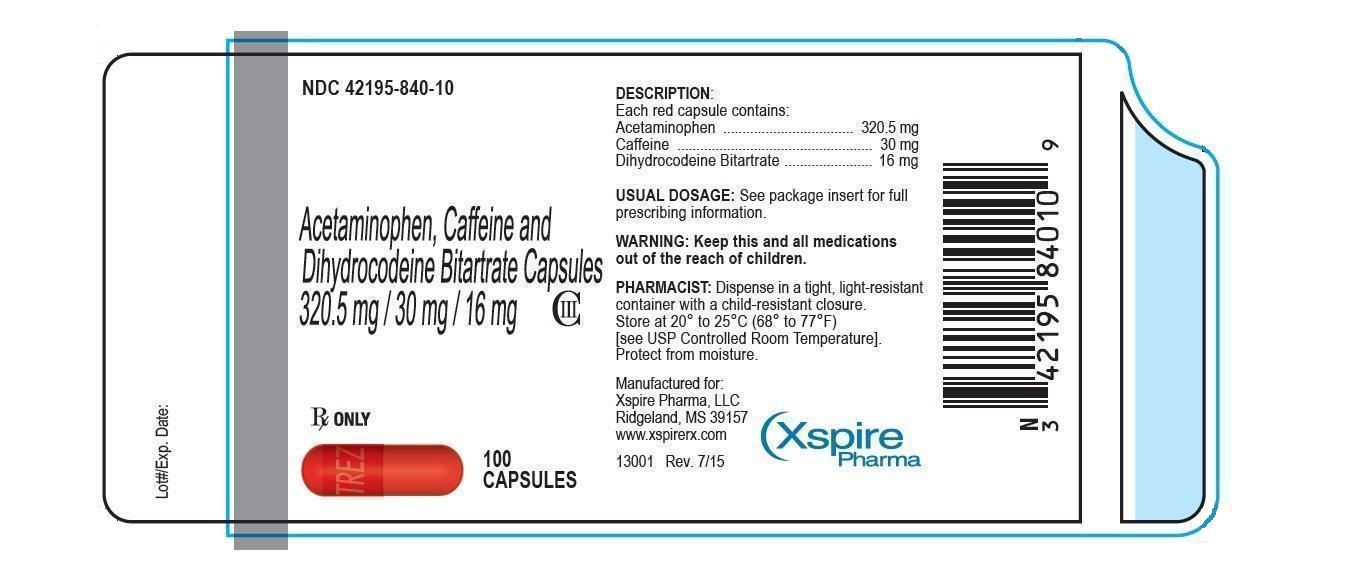
Acetaminophen, Caffeine, and Dihydrocodeine Bitartrate capsules are supplied in capsule form for oral administration.
Each red capsule contains:
Acetaminophen ...................................... 320.5 mg
Caffeine ...................................................... 30 mg
Dihydrocodeine bitartrate ............................ 16 mg
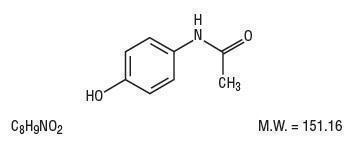
Acetaminophen (4'-hydroxyacetanilide), a slightly bitter, white, odorless, crystalline powder, is a non-opiate, non-salicylate analgesic and antipyretic. It has the following structural formula:
[image: Lda383aae-89ac-4e87-a913-29fd52888f3a]
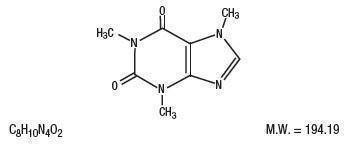
Caffeine (1,3,7-trimethylxanthine), a bitter, white crystalline powder or white glistening needles, is a central nervous system stimulant. It has the following structural formula:
[image: L05e734e2-dd26-4102-ae87-5d60548a9f3b]
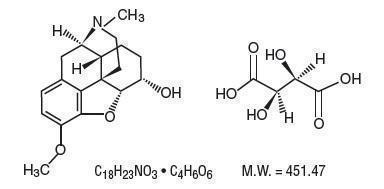
Dihydrocodeine Bitartrate (4,5 α-epoxy-3-methoxy-17-methylmorphinan-6 α-ol (+)-tartrate), an odorless, fine white powder is an opioid analgesic. It has the following structural formula:
[image: L7b78d0ee-297f-4ce0-9004-e1c1b3a34fe0]
In addition, each capsule contains the following inactive ingredients: crospovidone, magnesium stearate, povidone, pregelatinized corn starch, stearic acid. The capsule is composed of FD&C Red #40, and gelatin. Imprinting ink is composed of ammonium hydroxide, isopropyl alcohol, n-butyl alcohol, pharmaceutical glaze (modified) in SD-45, propylene glycol, simethicone, and titanium dioxide.
[image: Le360a282-b089-4e4b-9bfb-525ac965bff8]
Acetaminophen, Caffeine, and Dihydrocodeine Bitartrate capsules, containing Acetaminophen 320.5 mg, caffeine 30 mg and dihydrocodeine bitartrate 16 mg, are supplied in bottles of 100 capsules (NDC # 42195-840-10) and 30 capsules (NDC # 42195-840-30).
Capsules are imprinted “TREZIX” on the red cap in white ink.
Store at 20°C to 25°C (68°F to 77°F). [see USP Controlled Room Temperature].
Dispense in a tight, light-resistant container with a child-resistant closure. Protect from moisture.
Rx Only
Manufactured for:
Xspire Pharma LLC
Ridgeland, MS 39157
13001 Rev. 7/2017
Physician’s Desk Reference® is the registered trademark of Thomson Healthcare, Inc.
Photos of the product and/or packaging supplied by the manufacturer.
ACETAMINOPHEN, CAFFEINE, AND DIHYDROCODEINE BITARTRATE capsules contain dihydrocodeine which is a semi-synthetic narcotic analgesic related to codeine, with multiple actions qualitatively similar to those of codeine; the most prominent of these involve the central nervous system and organs with smooth muscle components. The principal action of therapeutic value is analgesia. This combination product also contains Acetaminophen, a non-opiate, non-salicylate analgesic and antipyretic. This combination product contains caffeine as an analgesic adjuvant. Caffeine is also a CNS and cardiovascular stimulant.
Effects on the Endocrine System
Chronic use of opioids may influence the hypothalamic-pituitary-gonadal axis, leading to hormonal changes that may manifest as low libido, impotence, erectile dysfunction, amenorrhea, or infertility. The causal role of opioids in the clinical syndrome of hypogonadism is unknown because the various medical, physical, lifestyle, and psychological stressors that may influence gonadal hormone levels have not been adequately controlled for in studies conducted to date [see ADVERSE REACTIONS].
Infertility
Chronic use of opioids may cause reduced fertility in females and males of reproductive potential. It is not known whether these effects on fertility are reversible [see ADVERSE REACTIONS].
Opioids cross the placenta and may produce respiratory depression and psycho-physiologic effects in neonates. An opioid antagonist, such as naloxone, must be available for reversal of opioid-induced respiratory depression in the neonate. Acetaminophen, Caffeine, and Dihydrocodeine Bitartrate is not recommended for use in pregnant women during or immediately prior to labor, when other analgesic techniques are more appropriate. Opioid analgesics, including Acetaminophen, Caffeine, and Dihydrocodeine Bitartrate, and can prolong labor through actions which temporarily reduce the strength, duration, and frequency of uterine contractions. However, this effect is not consistent and may be offset by an increased rate of cervical dilation, which tends to shorten labor. Monitor neonates exposed to opioid analgesics during labor for signs of excess sedation and respiratory depression.
Opioids may cause spasms of the sphincter of Oddi and should be used with caution in patients with biliary tract disease including pancreatitis.
Create a free account to view complete drug information, save medications, and more.
Free forever · No credit card required