 MedLens
Loading…
TABLETS C-II 7.5 mg/200 mg · Aurolife Pharma, LLC
Dosage Form
TABLETS C-II 7.5 mg/200 mg
Manufacturer
Aurolife Pharma, LLC
This medication contains important usage instructions, warnings, and side effect information that you should review before use.
WARNING: SERIOUS AND LIFE-THREATENING RISKS FROM USE OF HYDROCODONE BITARTRATE AND IBUPROFEN TABLETS
Addiction, Abuse, and Misuse
Because the use of Hydrocodone Bitartrate and Ibuprofen Tablets exposes patients and other users to the risks of opioid addiction, abuse, and misuse, which can lead to overdose and death, assess each patient’s risk prior to prescribing and reassess all patients regularly for the development of these behaviors and conditions [see Warnings].
Life-Threatening Respiratory Depression
Serious, life-threatening, or fatal respiratory depression may occur with use of Hydrocodone Bitartrate and Ibuprofen Tablets, especially during initiation or following a dose increase. To reduce the risk of respiratory depression, proper dosing and titration of Hydrocodone Bitartrate and Ibuprofen Tablets are essential [see Warnings].
Accidental Ingestion
Accidental ingestion of even one dose of Hydrocodone Bitartrate and Ibuprofen Tablets, especially by children, can result in a fatal overdose of hydrocodone (see WARNINGS).
Risks from Concomitant Use with Benzodiazepines or Other CNS Depressants
Concomitant use of opioids with benzodiazepines or other central nervous system (CNS) depressants, including alcohol, may result in profound sedation, respiratory depression, coma, and death. Reserve concomitant prescribing of Hydrocodone Bitartrate and Ibuprofen Tablets and benzodiazepines or other CNS depressants for use in patients for whom alternative treatment options are inadequate [see Warnings].
Neonatal Opioid Withdrawal Syndrome (NOWS)
Advise pregnant women using opioids for an extended period of time of the risk of Neonatal Opioid Withdrawal Syndrome, which may be life-threatening if not recognized and treated. Ensure that management by neonatology experts will be available at delivery [see Warnings].
Opioid Analgesic Risk Evaluation and Mitigation Strategy (REMS):
Healthcare providers are strongly encouraged to complete a REMS compliant education program and to counsel patients and caregivers on serious risks, safe use, and the importance of reading the Medication Guide with each prescription [see Warnings].
Cytochrome P450 3A4 Interaction
The concomitant use of Hydrocodone Bitartrate and Ibuprofen Tablets with all cytochrome P450 3A4 inhibitors may result in an increase in hydrocodone plasma concentrations, which may cause potentially fatal respiratory depression. In addition, discontinuation of a concomitantly used cytochrome P450 3A4 inducer may result in an increase in hydrocodone plasma concentration. Monitor patients taking Hydrocodone Bitartrate and Ibuprofen Tablets and any CYP3A4 inhibitor or upon discontinuation of a CYP3A4 inducer for signs and symptoms of respiratory depression and sedation (see WARNINGS: Risks of Concomitant Use or Discontinuation of Cytochrome P450 3A4 Inhibitors and Inducers, PRECAUTIONS: Drug Interactions).
Cardiovascular Thrombotic Events
Nonsteroidal anti-inflammatory drugs (NSAIDs) cause an increased risk of serious cardiovascular thrombotic events, including myocardial infarction and stroke, which can be fatal. This risk may occur early in treatment and may increase with duration of use (see WARNINGS: Cardiovascular Thrombotic Events).
Hydrocodone Bitartrate and Ibuprofen Tablets are contraindicated in the setting of coronary artery bypass graft (CABG) surgery (see CONTRAINDICATIONS, WARNINGS: Cardiovascular Thrombotic Events).
Gastrointestinal Bleeding, Ulceration, and Perforation
NSAIDs cause an increased risk of serious gastrointestinal (GI) adverse events including bleeding, ulceration, and perforation of the stomach or intestines, which can be fatal. These events can occur at any time during use and without warning symptoms. Elderly patients and patients with a prior history of peptic ulcer disease and/or GI bleeding are at greater risk for serious GI events (see WARNINGS: Gastrointestinal Bleeding, Ulceration, and Perforation).
Hydrocodone Bitartrate and Ibuprofen Tablets are indicated for the short-term management of acute pain severe enough to require an opioid analgesic and for which alternative treatments are inadequate.
Limitations of Use
Carefully consider the potential benefits and risks of Hydrocodone Bitartrate and Ibuprofen Tablets and other treatment options before deciding to use Hydrocodone Bitartrate and Ibuprofen Tablets Use the lowest effective dosage for the shortest duration consistent with individual patient treatment goals (see
WARNINGS: Cardiovascular Thrombotic Events, Gastrointestinal Bleeding, Ulceration, and Perforation
). Do not use Hydrocodone Bitartrate and Ibuprofen Tablets for the treatment of conditions such as osteoarthritis or rheumatoid arthritis.
Because of the risks of addiction, abuse, misuse, overdose and death, which can occur at any dosage or duration and persist over the course of therapy (see
WARNINGS
), reserve opioid analgesics, including Hydrocodone Bitartrate and Ibuprofen Tablets for use in patients for whom alternative treatment options are ineffective, not tolerated, or would be otherwise inadequate to provide sufficient management of pain.
Hydrocodone Bitartrate and Ibuprofen Tablets should be prescribed only by healthcare professionals who are knowledgeable about the use of opioids and how to mitigate the associated risks.
Use the lowest effective dosage for the shortest duration of time consistent with individual patient treatment goals [see Warnings]. Because the risk of overdose increases as opioid doses increase, reserve titration to higher doses of Hydrocodone Bitartrate and Ibuprofen Tablets for patients in whom lower doses are insufficiently effective and in whom the expected benefits of using a higher dose opioid clearly outweigh the substantial risks.
Many acute pain conditions (e.g., the pain that occurs with a number of surgical procedures or acute musculoskeletal injuries) require no more than a few days of an opioid analgesic. Clinical guidelines on opioid prescribing for some acute pain conditions are available.
There is variability in the opioid analgesic dose and duration needed to adequately manage pain due both to the cause of pain and to individual patient factors. Initiate the dosing regimen for each patient individually, taking into account the patient’s underlying cause and severity of pain, prior analgesic treatment and response, and risk factors for addiction, abuse, and misuse [see Warnings].
Respiratory depression can occur at any time during opioid therapy, especially when initiating and following dosage increases with Hydrocodone Bitartrate and Ibuprofen Tablets. Consider this risk when selecting an initial dose and when making dose adjustments [see Warnings].
Patient Access to an Opioid Overdose Reversal Agent for the Emergency Treatment of Opioid Overdose
Inform patients and caregivers about opioid overdose reversal agents (e.g., naloxone, nalmefene). Discuss the importance of having access to an opioid overdose reversal agent, especially if the patient has risk factors for overdose (e.g., concomitant use of CNS depressants, a history of opioid use disorder, or prior opioid overdose) or if there are household members (including children) or other close contacts at risk for accidental ingestion or opioid overdose. The presence of risk factors for overdose should not prevent the management of pain in any patient [see WARNINGS; Addiction, Abuse, and Misuse; Life-Threatening Respiratory Depression; Risks from Concomitant Use with Benzodiazepines or Other CNS Depressants].
Discuss the options for obtaining an opioid overdose reversal agent (e.g., prescription, over-the-counter, or as part of a community-based program).
There are important differences among the opioid overdose reversal agents, such as route of administration, product strength, approved patient age range, and pharmacokinetics. Be familiar with these differences, as outlined in the approved labeling for those products, prior to recommending or prescribing such an agent.
Initial Dosage
Use of Hydrocodone Bitartrate and Ibuprofen Tablets as the First Opioid Analgesic
Initiate treatment with Hydrocodone Bitartrate and Ibuprofen Tablets at a dose of one tablet every 4 to 6 hours as needed for pain, at the lowest dose necessary to achieve adequate analgesia. Titrate the dose based upon the individual patient’s response to their initial dose of Hydrocodone Bitartrate and Ibuprofen Tablets. Dosage should not exceed 5 tablets in a 24-hour period.
The lowest effective dose or the longest dosing interval should be sought for each patient (see WARNINGS), especially in the elderly. After observing the initial response to therapy with hydrocodone bitartrate and ibuprofen tablets, the dose and frequency of dosing should be adjusted to suit the individual patient's need, without exceeding the total daily dose recommended.
Titration and Maintenance of Therapy
Individually titrate Hydrocodone Bitartrate and Ibuprofen Tablets to a dose that provides adequate analgesia and minimizes adverse reactions. Continually reevaluate patients receiving Hydrocodone Bitartrate and Ibuprofen Tablets to assess the maintenance of pain control, signs and symptoms of opioid withdrawal and other adverse reactions, as well as reassessing for the development of addiction, abuse, or misuse (see WARNINGS). Frequent communication is important among the prescriber, other members of the healthcare team, the patient, and the caregiver/family during periods of changing analgesic requirements, including initial titration.
If the level of pain increases after dosage stabilization, attempt to identify the source of increased pain before increasing the Hydrocodone Bitartrate and Ibuprofen Tablets dosage. If after increasing the dosage unacceptable opioid-related adverse reactions are observed (including an increase in pain after dosage increase), consider reducing the dosage [see Warnings]. Adjust the dosage to obtain an appropriate balance between management of pain and opioid- related adverse reactions.
Safe Reduction and Discontinuation of Hydrocodone Bitartrate and Ibuprofen Tablets
Do not abruptly discontinue Hydrocodone Bitartrate and Ibuprofen tablets in patients who may be physically dependent on opioids. Rapid reduction or abrupt discontinuation of opioid analgesics in patients who are physically dependent on opioids has resulted in serious withdrawal symptoms, uncontrolled pain, and suicide. Rapid reduction or abrupt discontinuation has also been associated with attempts to find other sources of opioid analgesics, which may be confused with drug-seeking for abuse. Patients may also attempt to treat their pain or withdrawal symptoms with illicit opioids, such as heroin, and other substances.
When a decision has been made to decrease the dose or discontinue therapy in an opioid-dependent patient taking Hydrocodone Bitartrate and Ibuprofen tablets there are a variety of factors that should be considered, including the total daily dose of opioid ( including Hydrocodone Bitartrate and Ibuprofen tablets) the patient has been taking, the duration of treatment, the type of pain being treated, and the physical and psychological attributes of the patient. It is important to ensure ongoing care of the patient and to agree on an appropriate tapering schedule and follow-up plan so that patient and provider goals and expectations are clear and realistic. When opioid analgesics are being discontinued due to a suspected substance use disorder, evaluate and treat the patient, or refer for evaluation and treatment of the substance use disorder. Treatment should include evidence-based approaches, such as medication assisted treatment of opioid use disorder. Complex patients with co-morbid pain and substance use disorders may benefit from referral to a specialist.
There are no standard opioid tapering schedules that are suitable for all patients. Good clinical practice dictates a patient-specific plan to taper the dose of the opioid gradually. For patients on Hydrocodone Bitartrate and Ibuprofen tablets who are physically opioid-dependent, initiate the taper by a small enough increment (e.g., no greater than 10% to 25% of the total daily dose) to avoid withdrawal symptoms, and proceed with dose lowering at an interval of every 2 to 4 weeks. Patients who have been taking opioids for briefer periods of time may tolerate a more rapid taper.
It may be necessary to provide the patient with lower dosage strengths to accomplish a successful taper. Reassess the patient frequently to manage pain and withdrawal symptoms, should they emerge. Common withdrawal symptoms include restlessness, lacrimation, rhinorrhea, yawning, perspiration, chills, myalgia, and mydriasis. Other signs and symptoms also may develop, including irritability, anxiety, backache, joint pain, weakness, abdominal cramps, insomnia, nausea, anorexia, vomiting, diarrhea, or increased blood pressure, respiratory rate, or heart rate. If withdrawal symptoms arise, it may be necessary to pause the taper for a period of time or raise the dose of the opioid analgesic to the previous dose, and then proceed with a slower taper. In addition, evaluate patients for any changes in mood, emergence of suicidal thoughts, or use of other substances.
When managing patients taking opioid analgesics, particularly those who have been treated for a extended period of time and/or with high doses for chronic pain, ensure that a multimodal approach to pain management, including mental health support (if needed), is in place prior to initiating an opioid analgesic taper. A multimodal approach to pain management may optimize the treatment of chronic pain, as well as assist with the successful tapering of the opioid analgesic [see WARNINGS/ Withdrawal , DRUG ABUSE AND DEPENDENCE ].
Hydrocodone Bitartrate and Ibuprofen Tablets are contraindicated in patients with:
Inhibitors of CYP3A4 and CYP2D6
The concomitant use of hydrocodone bitartrate and ibuprofen tablets and CYP3A4 inhibitors, such as macrolide antibiotics (e.g., erythromycin), azole-antifungal agents (e.g. ketoconazole), protease inhibitors (e.g., ritonavir), can increase the plasma concentration of hydrocodone, resulting in increased or prolonged opioid effects. These effects could be more pronounced with concomitant use of hydrocodone bitartrate and ibuprofen tablets and CYP2D6 and CYP3A4 inhibitors, particularly when an inhibitor is added after a stable dose of hydrocodone bitartrate and ibuprofen tablets are achieved (see WARNINGS: Risks of Concomitant Use or Discontinuation of Cytochrome P450 3A4 Inhibitors and Inducers ).
After stopping a CYP3A4 inhibitor, as the effects of the inhibitor decline, the hydrocodone plasma concentration will decrease (see CLINICAL PHARMACOLOGY: Pharmacokinetics ), resulting in decreased opioid efficacy or a withdrawal syndrome in patients who had developed physical dependence to Hydrocodone Bitartrate and Ibuprofen Tablets.
If concomitant use is necessary, consider dosage reduction of hydrocodone bitartrate and ibuprofen tablets until stable drug effects are achieved. Evaluate patients at frequent intervals for respiratory depression and sedation. If a CYP3A4 inhibitor is discontinued, consider a dosage increase of hydrocodone bitartrate and ibuprofen tablets until stable drug effects are achieved. Evaluate for signs of opioid withdrawal.
CYP3A4 Inducers
The concomitant use of hydrocodone bitartrate and ibuprofen tablets and CYP3A4 inducers, such as rifampin, carbamazepine, and phenytoin, can decrease the plasma concentration of hydrocodone (see CLINICAL PHARMACOLOGY: Pharmacokinetics ), resulting in decreased efficacy or onset of a withdrawal syndrome in patients who have developed physical dependence to hydrocodone (see WARNINGS: Withdrawal ).
After stopping a CYP3A4 inducer, as the effects of the inducer decline, the hydrocodone plasma concentration will increase (see CLINICAL PHARMACOLOGY: Pharmacokinetics ), which could increase or prolong both the therapeutic effects and adverse reactions, and may cause serious respiratory depression.
If concomitant use is necessary, consider a dosage increase of hydrocodone bitartrate and ibuprofen tablets until stable drug effects are achieved. Evaluate for signs of opioid withdrawal. If a CYP3A4 inducer is discontinued, consider hydrocodone bitartrate and ibuprofen tablets dosage reduction and evaluate patients at frequent intervals for signs of respiratory depression and sedation.
Benzodiazepines and Other Central Nervous System (CNS) Depressants
Due to additive pharmacologic effect, the concomitant use of benzodiazepines and other CNS depressants, such as benzodiazepines and other sedative hypnotics, anxiolytics, and tranquilizers, muscle relaxants, general anesthetics, antipsychotics, gabapentinoids (gabapentin or pregabalin) and other opioids, including alcohol, can increase the risk of hypotension, respiratory depression, profound sedation, coma, and death.
Reserve concomitant prescribing of these drugs for use in patients for whom alternative treatment options are inadequate. Limit dosages and durations to the minimum required. Inform patients and caregivers of this potential interaction, educate them on the signs and symptoms of respiratory depression (including sedation). If concomitant use is warranted, consider recommending or prescribing an opioid overdose reversal agent [see WARNINGS, DOSAGE AND ADMINISTRATION].
Serotonergic Drugs
The concomitant use of opioids with other drugs that affect the serotonergic neurotransmitter system, such as selective serotonin reuptake inhibitors (SSRIs), serotonin and norepinephrine reuptake inhibitors (SNRIs), tricyclic antidepressants (TCAs), triptans, 5-HT3 receptor antagonists, drugs that effect the serotonin neurotransmitter system (e.g., mirtazapine, trazodone, tramadol), certain muscle relaxants (i.e., cyclobenzaprine,metaxalone), and monoamine oxidase (MAO) inhibitors (those intended to treat psychiatric disorders and also others, such as linezolid and intravenous methylene blue), has resulted in serotonin syndrome (see PRECAUTIONS: Information for Patients ).
If concomitant use is warranted, frequently evaluate the patient, particularly during treatment initiation and dose adjustment. Discontinue hydrocodone bitartrate and ibuprofen tablets if serotonin syndrome is suspected.
Monoamine Oxidase Inhibitors (MAOIs)
MAOI interactions with opioids may manifest as serotonin syndrome or opioid toxicity (e.g., respiratory depression, coma).
If urgent use of an opioid is necessary with MAOIs such as phenelzine, tranylcypromine, linezolid, use test doses and frequent titration of small doses to treat pain while closely monitoring blood pressure and signs and symptoms of CNS and respiratory depression.
The use of hydrocodone bitartrate and ibuprofen tablets are not recommended for patients taking MAOIs or within 14 days of stopping such treatment.
Mixed Agonist/Antagonist and Partial Agonist Opioid Analgesics
Agonist/antagonist analgesics such as pentazocine, nalbuphine, butorphanol and buprenorphine may reduce the analgesic effect of hydrocodone bitartrate and ibuprofen tablets and/or precipitate withdrawal symptoms in these patients.
Avoid concomitant use of these drugs.
Muscle Relaxants
Hydrocodone Bitartrate and Ibuprofen Tablets may enhance the neuromuscular blocking action of skeletal muscle relaxants and produce an increased degree of respiratory depression.
Because respiratory depression may be greater than otherwise expected, decrease the dosage of hydrocodone bitartrate and ibuprofen tablets and/or the muscle relaxant as necessary. Due to the risk of respiratory depression with concomitant use of skeletal muscle relaxants and opioids, consider recommending or prescribing an opioid overdose reversal agent (see WARNINGS, DOSAGE AND ADMINISTRATION). Examples: Cyclobenzaprine, metaxalone.
Anticholinergics
The concomitant use of anticholinergic drugs may increase risk of urinary retention and/or severe constipation, which may lead to paralytic ileus.
Evaluate patients for signs of urinary retention or reduced gastric motility when hydrocodone bitartrate and ibuprofen tablets are used concomitantly with anticholinergic drugs.
Drugs That Interfere With Hemostasis
Ibuprofen and anticoagulants such as warfarin have a synergistic effect on bleeding. The concomitant use of ibuprofen and anticoagulants have an increased risk of serious bleeding compared to the use of either drug alone.
Serotonin release by platelets plays an important role in hemostasis. Case-control and cohort epidemiological studies showed that concomitant use of drugs that interfere with serotonin reuptake and an NSAID may potentiate the risk of bleeding more than an NSAID alone.
Monitor patients with concomitant use of hydrocodone bitartrate and ibuprofen tablets with anticoagulants (e.g., warfarin), antiplatelet agents (e.g., aspirin), SSRIs, and SNRIs for signs of bleeding (see WARNINGS: Hematologic Toxicity ).
Aspirin
Pharmacodynamic studies have demonstrated interference with the antiplatelet activity of aspirin when ibuprofen 400 mg, given three times daily, is administered with enteric coated low-dose aspirin. The interaction exists even following a once-daily regimen of ibuprofen 400 mg, particularly when ibuprofen is dosed prior to aspirin. The interaction is alleviated if immediate-release low-dose aspirin is dosed at least 2 hours prior to a once daily regimen of ibuprofen; however, this finding cannot be extended to enteric-coated low-dose aspirin [see Clinical Pharmacology/Pharmacodynamics ].
Because there may be an increased risk of cardiovascular events due to the interference of ibuprofen with the antiplatelet effect of aspirin, for patients taking low-dose aspirin for cardioprotection who require analgesics, consider use of an NSAID that does not interfere with the antiplatelet effect of aspirin, or non-NSAID analgesics, where appropriate.
Controlled clinical studies showed that the concomitant use of NSAIDs and analgesic doses of aspirin does not produce any greater therapeutic effect than the use of NSAIDs alone. In a clinical study, the concomitant use of an NSAID and aspirin was associated with a significantly increased incidence of GI adverse reactions as compared to use of the NSAID alone (see WARNINGS: Gastrointestinal Bleeding, Ulceration, and Perforation ).
Concomitant use of hydrocodone bitartrate and ibuprofen tablets and analgesic doses of aspirin is not generally recommended because of the increased risk of bleeding (see WARNINGS: Hematologic Toxicity ).
ACE-Inhibitors, Angiotensin Receptor Blockers, and Beta-blockers
NSAIDs may diminish the antihypertensive effect of angiotensin converting enzyme (ACE) inhibitors, angiotensin receptor blockers (ARBs), or beta-blockers (including propranolol).
During concomitant use of hydrocodone bitartrate and ibuprofen tablets and ACE-inhibitors, ARBs, or beta-blockers, monitor blood pressure to ensure that the desired blood pressure is obtained.
In patients who are elderly, volume-depleted (including those on diuretic therapy), or have renal impairment, co-administration of an NSAID with ACE inhibitors or ARBs may result in deterioration of renal function, including possible acute renal failure. Evaluate for signs of worsening renal function (see WARNINGS: Renal Toxicity and Hyperkalemia ). These effects are usually reversible.
When these drugs are administered concomitantly, patients should be adequately hydrated. Assess renal function at the beginning of the concomitant treatment and periodically thereafter.
Diuretics
Clinical studies, as well as post-marketing observations, showed that NSAIDs reduced the natriuretic effect of loop diuretics (e.g., furosemide) and thiazide diuretics in some patients. This effect has been attributed to the NSAID inhibition of renal prostaglandin synthesis.
During concomitant use of hydrocodone bitartrate and ibuprofen tablets with diuretics, observe patients for signs of worsening renal function, in addition to assuring diuretic efficacy including antihypertensive effects (see WARNINGS: Renal Toxicity and Hyperkalemia ).
Digoxin
The concomitant use of ibuprofen with digoxin has been reported to increase the serum concentration and prolong the half-life of digoxin.
During concomitant use of hydrocodone bitartrate and ibuprofen tablets and digoxin, monitor serum digoxin levels.
Lithium
NSAIDs have produced elevations in plasma lithium concentration and reductions in renal lithium clearance. The mean minimum lithium concentration increased 15%, and the renal clearance decreased by approximately 20%. This effect has been attributed to NSAID inhibition of renal prostaglandin synthesis.
During concomitant use of hydrocodone bitartrate and ibuprofen tablets and lithium, evaluate patients for signs of lithium toxicity.
Methotrexate
Concomitant use of NSAIDs and methotrexate may increase the risk for methotrexate toxicity (e.g., neutropenia, thrombocytopenia, renal dysfunction).
During concomitant use of hydrocodone bitartrate and ibuprofen tablets and methotrexate, evaluate patients for methotrexate toxicity.
Cyclosporine
Concomitant use of hydrocodone bitartrate and ibuprofen tablets and cyclosporine may increase cyclosporine’s nephrotoxicity.
During concomitant use of hydrocodone bitartrate and ibuprofen tablets and cyclosporine, evaluate patients for signs of worsening renal function.
NSAIDs and Salicylates
Concomitant use of ibuprofen with other NSAIDs or salicylates (e.g., diflunisal, salsalate) increases the risk of GI toxicity, with little or no increase in efficacy (see WARNINGS: Gastrointestinal Bleeding, Ulceration, and Perforation).
The concomitant use of ibuprofen with other NSAIDs or salicylates is not recommended.
Pemetrexed
Concomitant use of hydrocodone bitartrate and ibuprofen tablets and Pemetrexed may increase the risk of Pemetrexed associated myelosuppression, renal, and GI toxicity (see the Pemetrexed prescribing information).
During concomitant use of hydrocodone bitartrate and ibuprofen tablets and Pemetrexed, in patients with renal impairment whose creatinine clearance ranges from 45 to 79 mL/min, monitor for myelosuppression, renal and GI toxicity.
NSAIDs with short elimination half-lives (e.g., diclofenac, indomethacin) should be avoided for a period of two days before, the day of, and two days following administration of Pemetrexed.
In the absence of data regarding potential interaction between Pemetrexed and NSAIDs with longer half-lives (e.g., meloxicam, nabumetone), patients taking these NSAIDs should interrupt dosing for at least five days before, the day of, and two days following Pemetrexed administration.
The following adverse reactions are described below and elsewhere in the labeling including the
WARNINGS section.
Clinical Trials Experience
Because clinical trials are conducted under widely varying conditions, adverse reaction rates observed in the clinical trials of a drug cannot be directly compared to rates in the clinical trials of another drug and may not reflect the rates observed in practice.
Hydrocodone bitartrate and ibuprofen tablets were administered to approximately 300 pain patients in a safety study that employed dosages and a duration of treatment sufficient to encompass the recommended usage (see DOSAGE AND ADMINISTRATION ). Adverse event rates generally increased with increasing daily dose. The event rates reported below are from approximately 150 patients who were in a group that received one tablet of hydrocodone bitartrate and ibuprofen tablets an average of three to four times daily. The overall incidence rates of adverse experiences in the trials were fairly similar for this patient group and those who received the comparison treatment, acetaminophen 600 mg with codeine 60 mg.
The following lists adverse events that occurred with an incidence of 1% or greater in clinical trials of Hydrocodone Bitartrate and Ibuprofen Tablets, without regard to the causal relationship of the events to the drug. To distinguish different rates of occurrence in clinical studies, the adverse events are listed as follows:
name of adverse event = less than 3%
adverse events marked with an asterisk * = 3% to 9%
adverse event rates over 9% are in parentheses.
Body as a Whole
Abdominal pain*; Asthenia*; Fever; Flu syndrome; Headache (27%); Infection*; Pain.
Cardiovascular
Palpitations; Vasodilation.
Central Nervous System
Anxiety*; Confusion; Dizziness (14%); Hypertonia; Insomnia*; Nervousness*; Paresthesia;
Somnolence (22%); Thinking abnormalities.
Digestive
Anorexia; Constipation (22%); Diarrhea*; Dry mouth*; Dyspepsia (12%); Flatulence*; Gastritis;
Melena; Mouth ulcers; Nausea (21%); Thirst; Vomiting*.
Metabolic and Nutritional Disorders
Edema*.
Respiratory
Dyspnea; Hiccups; Pharyngitis; Rhinitis.
Skin and Appendages
Pruritus*; Sweating*.
Special Senses
Tinnitus.
Urogenital
Urinary frequency.
Incidence less than 1%
Body as a Whole
Allergic reaction.
Cardiovascular
Arrhythmia; Hypotension; Tachycardia.
Central Nervous System
Agitation; Abnormal dreams; Decreased libido; Depression; Euphoria; Mood changes; Neuralgia; Slurred speech; Tremor, Vertigo.
Digestive
Chalky stool; "Clenching teeth"; Dysphagia; Esophageal spasm; Esophagitis; Gastroenteritis; Glossitis; Liver enzyme elevation.
Metabolic and Nutritional
Weight decrease.
Musculoskeletal
Arthralgia; Myalgia.
Respiratory
Asthma; Bronchitis; Hoarseness; Increased cough; Pulmonary congestion; Pneumonia; Shallow breathing; Sinusitis.
Skin and Appendages
Rash; Urticaria.
Special Senses
Altered vision; Bad taste; Dry eyes.
Urogenital
Cystitis; Glycosuria; Impotence; Urinary incontinence; Urinary retention.
Post marketing Experience
The following adverse reactions have been identified during post approval use of hydrocodone. Because these reactions are reported voluntarily from a population of uncertain size, it is not always possible to reliably estimate their frequency or establish a causal relationship to drug exposure.
Serotonin syndrome: Cases of serotonin syndrome, a potentially life-threatening condition, have been reported during concomitant use of opioids with serotonergic drugs.
Adrenal insufficiency: Cases of adrenal insufficiency have been reported with opioid use, more often following greater than one month of use.
Anaphylaxis: Anaphylaxis has been reported with ingredients contained in Hydrocodone Bitartrate and Ibuprofen Tablets.
Androgen deficiency: Cases of androgen deficiency have occurred with chronic use of opioids for an extended period of time.
Hyperalgesia and Allodynia: Cases of hyperalgesia and allodynia have been reported with opioid therapy of any duration [see Warnings]
Hypoglycemia: Cases of hypoglycemia have been reported in patients taking opioids. Most reports were in patients with at least one predisposing risk factor (e.g., diabetes).
Skin and Appendages: exfoliative dermatitis, Stevens-Johnson Syndrome (SJS), toxic epidermal necrolysis (TEN), and fixed drug eruption (FDE).
Opioid-induced esophageal dysfunction (OIED): Cases of OIED have been reported in patients taking opioids and may occur more frequently in patients taking higher doses of opioids, and/or in patients taking opioids longer term [see WARNINGS].
Adverse Reactions from Observational Studies
A prospective, observational cohort study estimated the risks of addiction, abuse, and misuse in patients initiating long-term use of Schedule II opioid analgesics between 2017 and 2021. Study participant included in one or more analyses had been enrolled in selected insurance plans or health systems for at least one year, were free of at least one outcome at baseline, completed a minimum number of follow-up assessments, and either: 1) filled multiple extended-release/long-acting opioid analgesic prescriptions during a 90 day period (n=978); or 2) filled any Schedule II opioid analgesic prescriptions covering at least 70 of 90 days (n=1,244). Those included also had no dispensing of the qualifying opioids in the previous 6 months.
Over 12 months:
• approximately 1% to 6% of participants across the two cohorts newly met criteria for addiction, as assessed with two validated interview-based measures of moderate-to-severe opioid use disorder based on
Diagnostic and Statistical Manual of Mental Disorders, Fifth Edition (DSM-5) criteria, and
• approximately 9% and 22% of participants across the two cohorts newly met criteria for prescription opioid abuse and misuse [defined in DRUG ABUSE AND DEPENDENCE], respectively, as measured with a validated self-reported instrument.
A retrospective, observational cohort study estimated the risk of opioid-involved overdose or opioid overdose-related death in patients with new long-term use of Schedule II opioid analgesics from 2006 through 2016 (n=220,249). Included patients had been enrolled in either one of two commercial insurance programs, one managed care program, or one Medicaid program for at least 9 months. New long-term use was defined as having Schedule II opioid analgesic prescriptions covering at least 70 days’ supply over the 3 months prior to study entry and none during the preceding 6 months. Patients were excluded if they had an opioid-involved overdose in the 9 months prior to study entry. Overdose was measured using a validated medical code-based algorithm with linkage to the National Death Index database. The 5-year cumulative incidence estimates for opioid-involved overdose or opioid overdose-related death ranged from approximately 1.5% to 4% across study sites, counting only the first event during follow-up. Approximately 17% of first opioid overdoses observed over the entire study period (5-11 years, depending on the study site) were fatal. Higher baseline opioid dose was the strongest and most consistent predictor of opioid-involved overdose or opioid overdose-related death. Study exclusion criteria may have selected patients at lower risk of overdose, and substantial loss to follow-up (approximately 80%) also may have biased estimates.
The risk estimates from the studies described above may not be generalizable to all patients receiving opioid analgesics, such as those with exposures shorter or longer than the duration evaluated in the studies.
Risk Summary
Use of NSAIDs, including Hydrocodone Bitartrate and Ibuprofen Tablets, can cause premature closure of the fetal ductus arteriosus and fetal renal dysfunction leading to oligohydramnios and, in some cases, neonatal renal impairment. Because of these risks, limit dose and duration of Hydrocodone Bitartrate and Ibuprofen Tablets use between about 20 and 30 weeks of gestation, and avoid Hydrocodone Bitartrate and Ibuprofen Tablets use at about 30 weeks of gestation and later in pregnancy
(see WARNINGS; Fetal Toxicity).
Premature Closure of Fetal Ductus Arteriosus
Use of NSAIDs, including Hydrocodone Bitartrate and Ibuprofen Tablets, at about 30 weeks gestation or later in pregnancy increases the risk of premature closure of the fetal ductus arteriosus.
Oligohydramnios/Neonatal Renal Impairment
Use of NSAIDs at about 20 weeks gestation or later in pregnancy has been associated with cases of fetal renal dysfunction leading to oligohydramnios, and in some cases, neonatal renal impairment.
Data from observational studies regarding other potential embryofetal risks of NSAID use in women in the first or second trimesters of pregnancy are inconclusive. In animal reproduction studies, an increase in the percentage of litters and fetuses with any major abnormality and an increase in the number of litters and fetuses with one or more nonossified metacarpals was observed when the combination of hydrocodone and ibuprofen was administered orally to pregnant rabbits during organogenesis at 1.8 times the maximum daily dose. There are no animal reproductive and developmental toxicology studies with hydrocodone alone. In published animal reproduction studies testing ibuprofen alone, there were no clear developmental effects at doses up to 1.2 times the maximum recommended human dose (MRHD) in the rabbit and 1.8 times in the MRHD rat when dosed throughout gestation. In contrast, an increase in membranous ventricular septal defects was reported in rats treated on Gestation Days 9 & 10 with 3 times the MRHD. Based on animal data, prostaglandins have been shown to have an important role in endometrial vascular permeability, blastocyst implantation, and decidualization. In animal studies, administration of prostaglandin synthesis inhibitors such as ibuprofen, resulted in increased pre- and post-implantation loss. Prostaglandins also have been shown to have an important role in fetal kidney development. In published animal studies, prostaglandin synthesis inhibitors have been reported to impair kidney development when administered at clinically relevant doses.
The estimated background risk of major birth defects and miscarriage for the indicated population(s) is unknown. All pregnancies have a background risk of birth defect, loss, or other adverse outcomes. In the U.S. general population, the estimated background risk of major birth defects and miscarriage in clinically recognized pregnancies is 2-4% and 15-20%, respectively.
Clinical Considerations
Fetal/Neonatal Adverse Reactions
Use of opioid analgesics for an extended period of time during pregnancy for medical or nonmedical purposes can result in physical dependence in the neonate and neonatal opioid withdrawal syndrome shortly after birth.
Neonatal opioid withdrawal syndrome presents as irritability, hyperactivity and abnormal sleep pattern, high-pitched cry, tremor, vomiting, diarrhea, and failure to gain weight. The onset, duration, and severity of neonatal opioid withdrawal syndrome vary based on the specific opioid used, duration of use, timing and amount of last maternal use, and rate of elimination of the drug by the newborn. Observe newborns for symptoms of neonatal opioid withdrawal syndrome and manage accordingly (see WARNINGS: Neonatal Opioid Withdrawal Syndrome ).
Premature Closure of Fetal Ductus Arteriosus:
Avoid use of NSAIDs in women at about 30 weeks gestation and later in pregnancy, because NSAIDs, including Hydrocodone Bitartrate and Ibuprofen Tablets, can cause premature closure of the fetal ductus arteriosus (see
WARNINGS; Fetal Toxicity
).
Oligohydramnios/Neonatal Renal Impairment
If an NSAID is necessary at about 20 weeks gestation or later in pregnancy, limit the use to the lowest effective dose and shortest duration possible. If Hydrocodone Bitartrate and Ibuprofen Tablets treatment extends beyond 48 hours, consider monitoring with ultrasound for oligohydramnios. If oligohydramnios occurs, discontinue Hydrocodone Bitartrate and Ibuprofen Tablets and follow up according to clinical practice (see
WARNINGS; Fetal Toxicity
).
Labor and Delivery
Opioids cross the placenta and may produce respiratory depression and psycho-physiologic effects in neonates. An opioid overdose reversal agent, such as naloxone, must be available for reversal of opioid-induced respiratory depression in the neonate. Monitor neonates exposed to opioid analgesics during labor for signs of excess sedation and respiratory depression.
There are no studies on the effects of hydrocodone bitartrate and ibuprofen tablets during labor or delivery. In animal studies, NSAIDs, including ibuprofen, inhibit prostaglandin synthesis, cause delayed parturition, and increase the incidence of stillbirth.
Hydrocodone bitartrate and ibuprofen tablets are not recommended for use in women during and immediately prior to labor, when use of shorter-acting analgesics or other analgesic techniques are more appropriate. Opioid analgesics, including Hydrocodone Bitartrate and Ibuprofen Tablets, can prolong labor through actions that temporarily reduce the strength, duration, and frequency of uterine contractions. However, this effect is not consistent and may be offset by an increased rate of cervical dilatation, which tends to shorten labor. Monitor neonates exposed to opioid analgesics during labor for signs of excess sedation and respiratory depression.
Data
Human Data
Premature Closure of Fetal Ductus Arteriosus:
Published literature reports that the use of NSAIDs at about 30 weeks of gestation and later in pregnancy may cause premature closure of the fetal ductus arteriosus.
Oligohydramnios/Neonatal Renal Impairment:
Published studies and postmarketing reports describe maternal NSAID use at about 20 weeks gestation or later in pregnancy associated with fetal renal dysfunction leading to oligohydramnios, and in some cases, neonatal renal impairment. These adverse outcomes are seen, on average, after days to weeks of treatment, although oligohydramnios has been infrequently reported as soon as 48 hours after NSAID initiation. In many cases, but not all, the decrease in amniotic fluid was transient and reversible with cessation of the drug. There have been a limited number of case reports of maternal NSAID use and neonatal renal dysfunction without oligohydramnios, some of which were irreversible. Some cases of neonatal renal dysfunction required treatment with invasive procedures, such as exchange transfusion or dialysis.
Methodological limitations of these postmarketing studies and reports include lack of a control group; limited information regarding dose, duration, and timing of drug exposure; and concomitant use of other medications. These limitations preclude establishing a reliable estimate of the risk of adverse fetal and neonatal outcomes with maternal NSAID use. Because the published safety data on neonatal outcomes involved mostly preterm infants, the generalizability of certain reported risks to the full-term infant exposed to NSAIDs through maternal use is uncertain.
Animal Data
Pregnant rabbits were treated with 10, 33, or 95 mg/kg of 1:27 ratio of hydrocodone:ibuprofen (the high dose is 1.8 times the maximum daily dose of both compounds based on surface area) from Gestation Day 5 to 18. The dose of 95 mg/kg of the combination, which also produced maternal toxicity (44% decrease in body weight gain compared to control), resulted in an increase in the percentage of litters and fetuses with any major abnormality and an increase in the number of litters and fetuses with one or more nonossified metacarpals (a minor abnormality).
Pregnant rats were treated with 50, 100, or 166 mg/kg of a 1:27 ratio of hydrocodone:ibuprofen (the high dose is 1.6 times the maximum daily dose of both compounds based on body surface area) from Gestation Day 5 to 15. No reproductive toxicity was noted despite the presence of maternal toxicity in the 100 and 166 mg/kg groups (21% and 60% decrease in body weight gain compared to control).
In a published study, female rabbits given 7.5, 20, or 60 mg/kg ibuprofen (0.15, 0.39, or 1.2 times the maximum recommended human daily dose of 1000 mg of ibuprofen based on body surface area) from Gestation Days 1 to 29, no clear treatment-related adverse developmental effects were noted. This dose was associated with significant maternal toxicity (stomach ulcers, gastric lesions). In the same publication, female rats were administered 7.5, 20, 60, 180 mg/kg ibuprofen (0.07, 0.2, 0.6, 1.8 times the maximum daily dose) did not result in clear adverse developmental effects. Maternal toxicity (gastrointestinal lesions) was noted at 20 mg/kg and above.
In a published study, rats were orally dosed with 300 mg/kg ibuprofen (3 times the maximum human daily dose of 1000 mg based on body surface area) during Gestation Days 9 and 10 (critical time points for heart development in rats). Ibuprofen treatment resulted in an increase in the incidence of membranous ventricular septal defects. This dose was associated with significant maternal toxicity including gastrointestinal toxicity (1 out of 20 animals). In the same study/publication rabbits were dosed on Gestation Day 9, 10 and 11 with 500 mg/kg (9.7 times the maximum human daily dose), and only one incidence each of a membranous ventricular septal defect and gastroschisis was noted in the rabbit fetuses. This dose was also associated with maternal toxicity.
Risk Summary
Hydrocodone is present in human milk. A published lactation study reports variable concentrations of hydrocodone and hydromorphone (an active metabolite) in breast milk with administration of immediate-release hydrocodone to nursing mothers in the early post-partum period. This lactation study did not assess breastfed infants for potential adverse drug reactions.
Limited published literature reports that, following oral administration, ibuprofen is present in human milk at relative infant doses of 0.06% to 0.6% of the maternal weight-adjusted daily dose.
Lactation studies have not been conducted with Hydrocodone Bitartrate and Ibuprofen Tablets, and no information is available on the effects of the drug on the breastfed infant or the effects of the drug on milk production.
The developmental and health benefits of breastfeeding should be considered along with the mother’s clinical need for hydrocodone bitartrate and ibuprofen tablets and any potential adverse effects on the breastfed infant from hydrocodone bitartrate and ibuprofen tablets or from the underlying maternal condition.
Clinical Considerations
Monitor infants exposed to hydrocodone bitartrate and ibuprofen tablets through breast milk for excess sedation and respiratory depression. Withdrawal symptoms can occur in breastfed infants when maternal administration of hydrocodone is stopped, or when breastfeeding is stopped
The safety and effectiveness of hydrocodone bitartrate and ibuprofen tablets in pediatric patients below the age of 16 have not been established.
In controlled clinical trials there was no difference in tolerability between patients < 65 years of age and those ≥ 65, apart from an increased tendency of the elderly to develop constipation. However, elderly patients are at greater risk for NSAID-associated serious cardiovascular, gastrointestinal, and renal adverse reactions as well as possible increased risk of respiratory depression with opioids. In general, use caution when selecting a dosage for an elderly patient, usually starting at the low end of the dosing range, reflecting the greater frequency of decreased hepatic, renal, or cardiac function and of concomitant disease or other drug therapy (see WARNINGS: Cardiovascular Thrombotic Events, Gastrointestinal Bleeding, Ulceration, and Perforation, Renal Toxicity and Hyperkalemia ).
Respiratory depression is the chief risk for elderly patients treated with opioids, and has occurred after large initial doses were administered to patients who were not opioid-tolerant or when opioids were co-administered with other agents that depress respiration. Titrate the dosage of hydrocodone bitartrate and ibuprofen tablets slowly in geriatric patients and frequently reevaluate the patient for signs of central nervous system and respiratory depression (see WARNINGS ).
Both hydrocodone and ibuprofen are known to be substantially excreted by the kidney, and the risk of adverse reactions to this drug may be greater in patients with impaired renal function. Because elderly patients are more likely to have decreased renal function, care should be taken in dose selection, and it may be useful to regularly evaluate renal function.
Following an acute over dosage, toxicity may result from hydrocodone and/or ibuprofen.
Clinical Presentation
Hydrocodone Component
Acute overdose with opioids can be manifested by respiratory depression, somnolence progressing to stupor or coma, skeletal muscle flaccidity, cold and clammy skin, constricted pupils, and, in some cases, pulmonary edema, bradycardia, hypotension, hypoglycemia, partial or complete airway obstruction, atypical snoring, and death. Marked mydriasis rather than miosis may be seen with hypoxia in overdose situations [see CLINICAL PHARMACOLOGY]. Toxic leukoencephalopathy has been reported after opioid overdose and can present hours, days, or weeks after apparent recovery from the initial intoxication.
Ibuprofen Component
Symptoms following acute NSAID over dosages have been typically limited to lethargy, drowsiness, nausea, vomiting, and epigastric pain, which have been generally reversible with supportive care. Gastrointestinal bleeding has occurred (see WARNINGS: Gastrointestinal Bleeding, Ulceration, and Perforation ). Hypertension, acute renal failure, respiratory depression, and coma have occurred, but were rare (see WARNINGS: Hypertension, Renal Toxicity and Hyperkalemia ).
Treatment of Overdose
In case of overdose, priorities are the re-establishment of a patent and protected airway and institution of assisted or controlled ventilation, if needed. Employ other supportive measures (including oxygen and vasopressors) in the management of circulatory shock and pulmonary edema as indicated. Cardiac arrest or arrhythmias will require advanced life-support measures.
For clinically significant respiratory or circulatory depression secondary to opioid overdose, administer an opioid overdose reversal agent such as naloxone or nalmefene.
Because the duration of opioid reversal is expected to be less than the duration of action of hydrocodone, carefully monitor the patient until spontaneous respiration is reliably re-established. If the response to an opioid antagonist is suboptimal or only brief in nature, administer additional reversal agent as directed by the product’s prescribing information.
In an individual physically dependent on opioids, administration of the recommended usual dosage of the antagonist will precipitate an acute withdrawal syndrome. The severity of the withdrawal symptoms experienced will depend on the degree of physical dependence and the dose of the reversal agent administered. If a decision is made to treat serious respiratory depression in the physically dependent patient, administration of the reversal agent should be begin with care and by titration with smaller than usual doses of the antagonist.
Manage patients with symptomatic and supportive care following an NSAID over dosage. There are no specific antidotes. Consider emesis and/or activated charcoal (60 to 100 grams in adults, 1 to 2 grams per kg of body weight in pediatric patients) and/or osmotic cathartic in symptomatic patients seen within four hours of ingestion or in patients with a large overdose (5 to 10 times the recommended dosage). Forced diuresis, alkalinization of urine, hemodialysis, or hemoperfusion may not be useful due to high protein binding.
For additional information about over dosage treatment contact a poison control center (1-800-222-1222).
Advise the patient to read the FDA-approved patient labeling (Medication Guide) that accompanies each prescription dispensed. Patients, families, or their caregivers should be informed of the following information before initiating therapy with hydrocodone bitartrate and ibuprofen tablets and periodically during the course of ongoing therapy.
1. Storage and Disposal:
Because of the risks associated with accidental ingestion, misuse, and abuse, advise patients to store Hydrocodone Bitartrate and Ibuprofen Tablets securely, out of sight and reach of children, and in a location not accessible by others, including visitors to the home. Inform patients that leaving Hydrocodone Bitartrate and Ibuprofen Tablets unsecured can pose a deadly risk to others in the home. (see WARNINGS, DRUG ABUSE AND DEPENDENCE)
Advise patients and caregivers that when medicines are no longer needed, they should be disposed of promptly. Expired, unwanted, or unused Hydrocodone Bitartrate and Ibuprofen Tablets should be disposed of by flushing the unused medication down the toilet if a drug take-back option is not readily available. Inform patients that they can visit www.fda.gov/drugdisposal for a complete list of medicines recommended for disposal by flushing, as well as additional information on disposal of unused medicines.
2. Addiction, Abuse, and Misuse
Inform patients that the use of Hydrocodone Bitartrate And Ibuprofen Tablets, even when taken as recommended, can result in addiction, abuse, and misuse, which can lead to overdose and death (see WARNINGS: Addiction, Abuse, and Misuse). Instruct patients not to share hydrocodone bitartrate and ibuprofen tablets with others and to take steps to protect hydrocodone bitartrate and ibuprofen tablets from theft or misuse.
3. L ife-Threatening Respiratory Depression
Inform patients of the risk of life-threatening respiratory depression, including information that the risk is greatest when starting hydrocodone bitartrate and ibuprofen tablets or when the dosage is increased, and that it can occur even at recommended dosages. Advise patients how to recognize respiratory depression and to seek medical attention if breathing difficulties develop.
Educate patients and caregivers on how to recognize respiratory depression and emphasize the importance of calling 911 or getting emergency medical help right away in the event of a known or suspected overdose (see WARNINGS, Life Threatening Respiratory Depression).
4. Accidental Ingestion
Inform patients that accidental ingestion, especially by children, may result in respiratory depression or death (see WARNINGS: Life-Threatening Respiratory Depression).
5. I nteractions with Benzodiazepines and OtherCNS Depressants
Inform patients and caregivers that potentially fatal additive effects may occur if hydrocodone bitartrate and ibuprofen tablets are used with benzodiazepines or other CNS depressants, including alcohol,(e.g., non-benzodiazepine sedative/hypnotics, anxiolytics, tranquilizers, muscle relaxants, general anesthetics, antipsychotics, gabapentinoids [gabapentin or pregabalin], and other opioids) and not to use these concomitantly unless supervised by a healthcare provider (see WARNINGS: Risks from Concomitant Use with Benzodiazepines or Other CNS Depressants, PRECAUTIONS: Drug Interactions).
Patient Access to an Opioid Overdose Reversal Agent for the Emergency Treatment of Opioid Overdose
Inform patients and caregivers about opioid overdose reversal agents (e.g., naloxone, nalmefene). Discuss the importance of having access to an opioid overdose reversal agent, especially if the patient has risk factors for overdose (e.g., concomitant use of CNS depressants, a history of opioid use disorder, or prior opioid overdose) or if there are household members (including children) or other close contacts at risk for accidental ingestion or opioid overdose.
Discuss with the patient the options for obtaining an opioid overdose reversal agent (e.g., prescription, over-the-counter, or as part of a community-based program) [see WARNINGS, DOSAGE AND ADMINISTRATION].
Educate patients and caregivers on how to recognize the signs and symptoms of an overdose.
Explain to patients and caregivers that effects of opioid overdose reversal agents like naloxone and nalmefene are temporary, and that they must call 911 or get emergency medical help right away in all cases of known or suspected opioid overdose, even if an opioid overdose reversal agent is administered (see OVERDOSAGE).
Advise patients and caregivers:
• how to treat with the overdose reversal agent in the event of an opioid overdose
• to tell family and friends about their opioid overdose reversal agent and to keep it in a place where family and friends can access it in an emergency.
• to read the Patient Information (or other educational material) that will come with their opioid overdose reversal agent. Emphasize the importance of doing this before an opioid emergency happens, so the patient and caregiver will know what to do.
Hyperalgesia and Allodynia
Inform patients and caregivers not to increase opioid dosage without first consulting a clinician. Advise patients to seek medical attention if they experience symptoms of hyperalgesia, including worsening pain, increased sensitivity to pain, or new pain [see Warnings; Adverse Reactions].
8. S er otonin Syndrome
Inform patients that opioids could cause a rare but potentially life-threatening condition resulting from concomitant administration of serotonergic drugs. Warn patients of the symptoms of serotonin syndrome and to seek medical attention right away if symptoms develop. Instruct patients to inform their healthcare providers if they are taking, or plan to take serotonergic medications (see PRECAUTIONS: Drug Interactions).
9. MAOI Interaction
Inform patients to avoid taking hydrocodone bitartrate and ibuprofen tablets while using any drugs that inhibit monoamine oxidase. Patients should not start MAOIs while taking hydrocodone bitartrate and ibuprofen tablets (see PRECAUTIONS: Drug Interactions).
10. I mportant Administration Instructions
Instruct patients how to properly take Hydrocodone Bitartrate and Ibuprofen Tablets. For the short-term (generally less than 10 days) management of acute pain, the recommended dose of hydrocodone bitartrate and ibuprofen tablets are one tablet every 4 to 6 hours, as necessary. Inform patients that the dosage should not exceed 5 tablets in a 24-hour period (see DOSAGE AND ADMINISTRATION).
11. Important Discontinuation Instructions
In order to avoid developing withdrawal symptoms, instruct patients not to discontinue Hydrocodone Bitartrate and Ibuprofen Tablets without first discussing a tapering plan with the prescriber (see DOSAGE AND ADMINISTRATION)
12. Driving or Operating Heavy Machinery
Inform patients that hydrocodone bitartrate and ibuprofen tablets may impair the ability to perform potentially hazardous activities such as driving a car or operating heavy machinery. Advise patients not to perform such tasks until they know how they will react to the medication (see WARNINGS: Risks of Driving and Operating Machinery).
13. C onstipation
Advise patients of the potential for severe constipation, including management instructions and when to seek medical attention (see ADVERSE REACTIONS: Clinical Trials Experience).
14. C ar diovascular Thrombotic Events
Advise patients to be alert for the symptoms of cardiovascular thrombotic events, including chest pain, shortness of breath, weakness, or slurring of speech, and to report any of these symptoms to their healthcare provider immediately (see WARNINGS: Cardiovascular Thrombotic Events).
15. Gastrointestinal Bleeding, Ulceration, and Perforation
Advise patients to report symptoms of ulcerations and bleeding, including epigastric pain, dyspepsia, melena, and hematemesis to their healthcare provider. In the setting of concomitant use of low-dose aspirin for cardiac prophylaxis, inform patients of the increased risk for and the signs and symptoms of GI bleeding (see WARNINGS: Gastrointestinal Bleeding, Ulceration, and Perforation).
16. Hepatotoxicity
Inform patients of the warning signs and symptoms of hepatotoxicity (e.g., nausea, fatigue, lethargy, pruritus, diarrhea, jaundice, right upper quadrant tenderness, and "flu-like" symptoms). If these occur, instruct patients to stop hydrocodone bitartrate and ibuprofen tablets and seek immediate medical therapy (see WARNINGS: Hepatotoxicity).
17. Heart Failure and Edema
Advise patients to be alert for the symptoms of congestive heart failure including shortness of breath, unexplained weight gain, or edema and to contact their healthcare provider if such symptoms occur (see WARNINGS: Heart Failure and Edema).
18. Adrenal Insufficiency
Inform patients that opioids could cause adrenal insufficiency, a potentially life-threatening condition. Adrenal insufficiency may present with non-specific symptoms and signs such as nausea, vomiting, anorexia, fatigue, weakness, dizziness, and low blood pressure. Advise patients to seek medical attention if they experience a constellation of these symptoms (see WARNINGS: Adrenal Insufficiency).
19. H y potension
Inform patients that hydrocodone bitartrate and ibuprofen tablets may cause orthostatic hypotension and syncope. Instruct patients how to recognize symptoms of low blood pressure and how to reduce the risk of serious consequences should hypotension occur (e.g., sit or lie down, carefully rise from a sitting or lying position) (see WARNINGS: Severe Hypotension).
20. Anaphylaxis
Inform patients that anaphylaxis has been reported with ingredients contained in Hydrocodone Bitartrate and Ibuprofen Tablets. Advise patients how to recognize such a reaction and when to seek medical attention (see CONTRAINDICATIONS, WARNINGS: Anaphylactic Reactions).
21. P re g n a ncy
N e onatal Opioid Withdrawal Syndrome
Inform female patients of reproductive potential that use of hydrocodone bitartrate and ibuprofen tablets for an extended period of time during pregnancy can result in neonatal opioid withdrawal syndrome, which may be life-threatening if not recognized and treated (see Boxed Warning, WARNINGS: Neonatal Opioid Withdrawal Syndrome, PRECAUTIONS: Pregnancy).
Fetal Toxicity
Inform female patients of reproductive potential that hydrocodone bitartrate and ibuprofen tablets can cause fetal harm and to inform the prescriber of a known or suspected pregnancy. Inform pregnant women to avoid use of hydrocodone bitartrate and ibuprofen tablets and other NSAIDs starting at 30 weeks gestation because of the risk of premature closing of the fetal ductus arteriosus
Inform pregnant women to avoid use of Hydrocodone Bitartrate and Ibuprofen Tablets and other NSAIDs starting at 30 weeks gestation because of the risk of the premature closing of the fetal ductus arteriosus. If treatment with Hydrocodone Bitartrate and Ibuprofen Tablets is needed for a pregnant woman between about 20 to 30 weeks gestation, advise her that she may need to be monitored for oligohydramnios, if treatment continues for longer than 48 hours (see WARNINGS; Fetal Toxicity, PRECAUTIONS; Pregnancy).
22. L a c tation
Advise nursing mothers to carefully observe infants for increased sleepiness (more than usual), breathing difficulties, or limpness. Instruct nursing mothers to seek immediate medical care if they notice these signs (see PRECAUTIONS: Nursing Mothers).
23. I n fer tility
Inform patients that use of opioids for an extended period of time may cause reduced fertility. It is not known whether these effects on fertility are reversible [see Adverse Reaction]. Advise female patients of reproductive potential who desire pregnancy that NSAIDs, including Hydrocodone Bitartrate And Ibuprofen Tablets, may be associated with a reversible delay in ovulation (see PRECAUTIONS: Carcinogenicity, Mutagenicity, Impairment of Fertility).
24. Serious Skin Reactions, including DRESS.
Advise patients to stop taking Hydrocodone Bitartrate and Ibuprofen Tablets immediately if they develop any type of rash or fever and to contact their healthcare provider as soon as possible (see Warnings).
25. Avoid Concomitant use of NSAIDs
Inform patients that the concomitant use of hydrocodone bitartrate and ibuprofen tablets with other NSAIDs or salicylates (e.g., diflunisal, salsalate) is not recommended due to the increased risk of gastrointestinal toxicity, and little or no increase in efficacy (see WARNINGS: Gastrointestinal Bleeding, Ulceration, and Perforation, PRECAUTIONS: Drug Interactions). Alert patients that NSAIDs may be present in “over the counter” medications for treatment of colds, fever, or insomnia.
26. Use of NSAIDS and Low-Dose Aspirin
Inform patients not to use low-dose aspirin concomitantly with hydrocodone bitartrate and ibuprofen tablets until they talk to their healthcare provider (see PRECAUTIONS: Drug Interactions).
27. Ophthalmological Effects
Instruct patients to report any signs of blurred vision or other eye symptoms (see PRECAUTIONS: Ophthalmological Effects).
|
HYDROCODONE BITARTRATE AND IBUPROFEN TABLETS CII |
Hydrocodone Bitartrate and ibuprofen Tablets are
:
|
Important information about Hydrocodone Bitartrate And Ibuprofen Tablets:
A v o id taking NSAIDS after a recent heart attack, unless your healthcare provider tells you to. You may have an increased risk of another heart attack if you take NSAIDs after a recent heart attack.
|
Do not take Hydrocodone Bitartrate And Ibuprofen Tablets:
|
|
Before taking Hydrocodone Bitartrate And Ibuprofen Tablets, tell your healthcare provider if you have a history of:
• head injury or seizures • liver, kidney, or thyroid problems • problems urinating • pancreas or gallbladder problems • high blood pressure • asthma • abuse of street or prescription drugs, alcohol addiction, opioid overdose, or mental health problems. T ell your healthcare provider if you are:
|
W
h
en taking Hydrocodone Bitartrate And Ibuprofen Tablets:
|
|
W
h
ile taking Hydrocodone Bitartrate And Ibuprofen Tablets DO NOT:
• drive or operate heavy machinery, until you know how it affects you. Hydrocodone Bitartrate And Ibuprofen Tablets can make you sleepy, dizzy, or lightheaded. • drink alcohol or use prescription or over-the-counter medicines that contain alcohol. Using products containing alcohol during treatment with Hydrocodone Bitartrate And Ibuprofen Tablets may cause you to overdose and die. |
T
h
e possible side effects of Hydrocodone Bitartrate And Ibuprofen Tablets:
• trouble breathing or shortness of breath • agitation • fast heartbeat • high body temperature • chest pain • trouble walking • swelling of your face, tongue, or throat • stiff muscles • extreme drowsiness • mental changes such as confusion • lightheadedness when changing positions • weakness in one part or side of your body • a fainting spell • slurred speech S to p Hydrocodone Bitartrate And Ibuprofen Tablets and call your healthcare provider right away if you have any of the following symptoms: • nausea • flu-like symptoms • more tired or weaker than usual • vomit blood • diarrhea • there is blood in your bowel movement or it is black and sticky like tar • itching • unusual weight gain • your skin or eyes look yellow • skin rash or blisters with fever • indigestion or stomach pain • swelling of the arms and legs, hands and feet These are not all the possible side effects of Hydrocodone Bitartrate And Ibuprofen Tablets. Call your healthcare provider for medical advice about side effects. You may report side effects to FDA at 1-800-FDA-1088. For more information go to dailymed.nlm.nih.gov. Oth er information: • Aspirin is an NSAID medicine, but it does not increase the chance of a heart attack. Aspirin can cause bleeding in the brain, stomach, and intestines. Aspirin can also cause ulcers in the stomach and intestines. • Do not take other NSAID medicines, even those sold in lower doses without a prescription (over-the-counter) while taking Hydrocodone bitartrate and ibuprofen tablets. NSAIDs may be present in over-the-counter medications for treatment of colds, fever, or insomnia. |
This Medication Guide has been approved by the U.S. Food and Drug Administration.
Dispense with Medication Guide available at https://www.aurobindousa.com/medication-guides/
Distributed by:
Aurobindo Pharma USA, Inc.
279 Princeton-Hightstown Road
East Windsor, NJ 08520
Revised: 08/2025
Each hydrocodone bitartrate and ibuprofen tablet contains:
Hydrocodone Bitartrate, USP 7.5 mg
Ibuprofen, USP 200 mg
Hydrocodone Bitartrate and Ibuprofen Tablets are supplied in a fixed combination tablet form for oral administration. Hydrocodone Bitartrate and Ibuprofen Tablets combines the opioid agonist agent, hydrocodone bitartrate, with the nonsteroidal anti-inflammatory (NSAID) agent, ibuprofen.
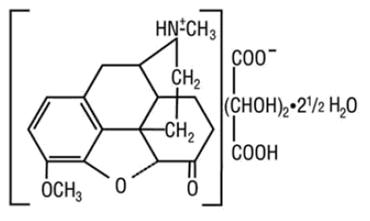
Hydrocodone bitartrate is a semisynthetic opioid agonist. Its chemical name is: 4,5 α-epoxy-3-methoxy-17-methylmorphinan-6-one tartrate (1:1) hydrate (2:5). Its chemical formula is: C18H21NO3•C4H6O6•2½H2O, and the molecular weight is 494.50. Its structural formula is:
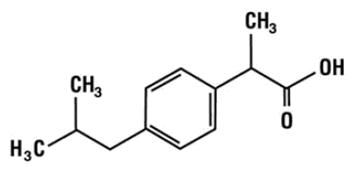
Ibuprofen is a non-steroidal anti-inflammatory agent [non-selective COX inhibitor] with analgesic and antipyretic properties. Its chemical name is: (±)-2-(p-isobutylphenyl) propionic acid. Its chemical formula is: C13H18O2, and the molecular weight is: 206.29. Its structural formula is:
Inactive ingredients in Hydrocodone Bitartrate and Ibuprofen tablets include: anhydrous lactose, colloidal silicon dioxide, croscarmellose sodium, lactose monohydrate, magnesium stearate, sodium starch glycolate, sodium lauryl sulfate, polysorbate 80, hypromellose, titanium dioxide and polyethylene glycol.
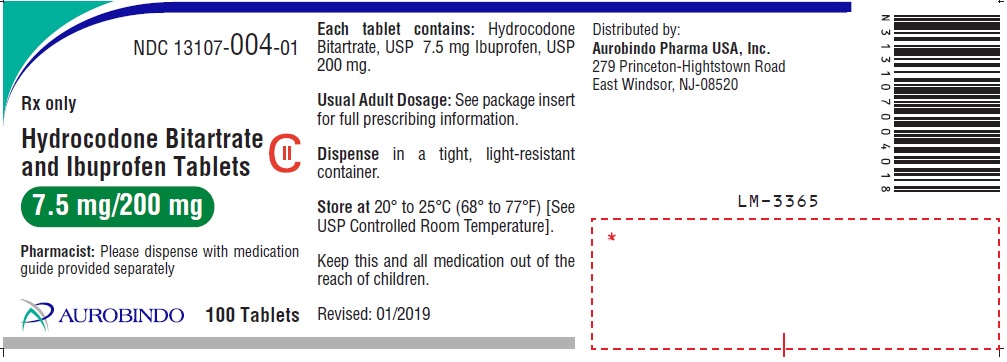
NDC 13107-004-01
Hydrocodone Bitartrate and Ibuprofen Tablets CII
7.5 mg/200 mg
Pharmacist: Please dispense with medication
guide provided separately
Rx only 100 Tablets
Hydrocodone Bitartrate and Ibuprofen Tablets, 7.5 mg/200 mg are white to off-white, round, film coated tablets, debossed with “U13” on one side and plain on the other side.
Bottles of 10 NDC 13107-004-11
Bottles of 100 NDC 13107-004-01
Bottles of 500 NDC 13107-004-05
Bottles of 1,000 NDC 13107-004-99
Storage
Store at 20° to 25°C (68° to 77°F) [See USP Controlled Room Temperature].
Dispense in a tight, light-resistant container. Keep this and all medication out of the reach of children.
A Schedule II Controlled Drug Substance.
Store Hydrocodone Bitartrate and Ibuprofen Tablets securely and dispose of properly [see
PRECAUTIONS/ Information for Patients
].
Dispense with Medication Guide available at https://www.aurobindousa.com/medication-guides/
Distributed by:
Aurobindo Pharma USA, Inc.
279 Princeton-Hightstown Road
East Windsor, NJ 08520
Revised: 11/2025
Photos of the product and/or packaging supplied by the manufacturer.
Mechanism of Action
Hydrocodone Component
Hydrocodone is a full opioid agonist with relative selectivity for the mu-opioid receptor, although it can interact with other opioid receptors at higher doses. The principal therapeutic action of hydrocodone is analgesia. Like all full opioid agonists, there is no ceiling effect for analgesia with hydrocodone. Clinically, dosage is titrated to provide adequate analgesia and may be limited by adverse reactions, including respiratory and CNS depression.
The precise mechanism of the analgesic action is unknown. However, specific CNS opioid receptors for endogenous compounds with opioid-like activity have been identified throughout the brain and spinal cord and are thought to play a role in the analgesic effects of this drug.
Ibuprofen Component
Ibuprofen has analgesic, anti-inflammatory, and antipyretic properties.
The mechanism of action, like that of other NSAIDs, is not completely understood, but involves inhibition of cyclooxygenase (COX-1 and COX-2).
Ibuprofen is a potent inhibitor of prostaglandin synthesis in vitro. Ibuprofen concentrations reached during therapy have produced in vivo effects. Prostaglandins sensitize afferent nerves and potentiate the action of bradykinin in inducing pain in animal models. Prostaglandins are mediators of inflammation. Because ibuprofen is an inhibitor of prostaglandin synthesis, its mode of action may be due to a decrease of prostaglandins in peripheral tissues.
Pharmacodynamics
Effects on the Central Nervous System
Hydrocodone produces respiratory depression by direct action on brain stem respiratory centers. The respiratory depression involves a reduction in the responsiveness of the brain stem respiratory centers to both increases in carbon dioxide tension and electrical stimulation.
Hydrocodone causes miosis, even in total darkness. Pinpoint pupils are a sign of opioid overdose but are not pathognomonic (e.g., pontine lesions of hemorrhagic or ischemic origins may produce similar findings). Marked mydriasis rather than miosis may be seen due to hypoxia in overdose situations.
Effects on the Gastrointestinal Tract and Other Smooth Muscle
Hydrocodone causes a reduction in motility associated with an increase in smooth muscle tone in the antrum of the stomach and duodenum. Digestion of food in the small intestine is delayed and propulsive contractions are decreased. Propulsive peristaltic waves in the colon are decreased, while tone may be increased to the point of spasm, resulting in constipation. Other opioid- induced effects may include a reduction in biliary and pancreatic secretions, spasm of sphincter of Oddi, and transient elevations in serum amylase, and opioid-induced esophageal dysfunction (OIED).
Effects on the Cardiovascular System
Hydrocodone produces peripheral vasodilation, which may result in orthostatic hypotension or syncope. Manifestations of histamine release and/or peripheral vasodilation may include pruritus, flushing, red eyes, sweating, and/or orthostatic hypotension.
Effects on the Endocrine System
Opioids inhibit the secretion of adrenocorticotropic hormone (ACTH), cortisol, and luteinizing hormone (LH) in humans (see ADVERSE REACTIONS: Post marketing Experience). They also stimulate prolactin, growth hormone (GH) secretion, and pancreatic secretion of insulin and glucagon.
Use of opioids for an extended period of time may influence the hypothalamic-pituitary-gonadal axis, leading to androgen deficiency that may manifest as low libido, impotence, erectile dysfunction, amenorrhea, or infertility. The causal role of opioids in the clinical syndrome of hypogonadism is unknown because the various medical, physical, lifestyle, and psychological stressors that may influence gonadal hormone levels have not been adequately controlled for in studies conducted to date (see
ADVERSE REACTIONS: Post marketing Experience
).
Effects on the Immune System
Opioids have been shown to have a variety of effects on components of the immune system in both in vitro and animal models. The clinical significance of these findings is unknown. Overall, the effects of opioids appear to be modestly immunosuppressive.
Concentration-Efficacy Relationships
The minimum effective analgesic concentration will vary widely among patients, especially among patients who have been previously treated with extended-release agonist opioids. The minimum effective analgesic concentration of hydrocodone for any individual patient may increase over time due to an increase in pain, the development of a new pain syndrome, and/or the development of analgesic tolerance (see
DOSAGE AND ADMINISTRATION
).
Concentration-Adverse Reaction Relationships
There is a relationship between increasing hydrocodone plasma concentration and increasing frequency of dose-related opioid adverse reactions such as nausea, vomiting, CNS effects, and respiratory depression. In opioid-tolerant patients, the situation may be altered by the development of tolerance to opioid-related adverse reactions (see
DOSAGE AND ADMINISTRATION
).
In a healthy volunteer study, ibuprofen 400 mg given once daily, administered 2 hours prior to immediate-release aspirin (81 mg) for 6 days, showed an interaction with the antiplatelet activity of aspirin as measured by % serum thromboxane 82 (TxB2) inhibition at 24 hours following the day-6 aspirin dose [53%]. An interaction was still observed, but minimized, when ibuprofen 400 mg given once-daily was administered as early as 8 hours prior to the immediate-release aspirin dose [90.7%]. However, there was no interaction with the antiplatelet activity of aspirin when ibuprofen 400 mg, given once daily, was administered 2 hours after (but not concomitantly, 15 min, or 30 min after) the immediate-release aspirin dose [99.2%].
In another study, where immediate-release aspirin 81 mg was administered once daily with ibuprofen 400 mg given three times daily (1 , 7, and 13 hours post-aspirin dose) for 10 consecutive days, the mean % serum thromboxane 82 (TxB2) inhibition suggested no interaction with the antiplatelet activity of aspirin [98.3%]. However, there were individual subjects with serum TxB2 inhibition below 95%, with the lowest being 90.2%.
When a similarly designed study was conducted with enteric-coated aspirin, where healthy subjects were administered enteric-coated aspirin 81 mg once daily for 6 days and ibuprofen 400 mg three times daily (2, 7 and 12 h post-aspirin dose) for 6 days, there was an interaction with the antiplatelet activity at 24 hours following the day-6 aspirin dose [67%]. [See
Precautions/Drug Interactions
].
Pharmacokinetics
Absorption
After oral dosing with the Hydrocodone Bitartrate and Ibuprofen Tablets, a peak hydrocodone plasma level of 27 ng/mL is achieved at 1.7 hours, and a peak ibuprofen plasma level of 30 mcg/mL is achieved at 1.8 hours. The effect of food on the absorption of either component from the Hydrocodone Bitartrate and Ibuprofen Tablets tablet has not been established.
Distribution
Ibuprofen is highly protein-bound (99%) like most other non-steroidal anti-inflammatory agents. Although the extent of protein binding of hydrocodone in human plasma has not been definitely determined, structural similarities to related opioid analgesics suggest that hydrocodone is not extensively protein bound. As most agents in the 5-ring morphinan group of semi-synthetic opioids bind plasma protein to a similar degree (range 19% [hydromorphone] to 45% [oxycodone]), hydrocodone is expected to fall within this range.
Elimination
Metabolism
Hydrocodone exhibits a complex pattern of metabolism, including O-demethylation, N demethylation, and 6-keto reduction to the corresponding 6-α-and 6-β-hydroxy metabolites. Hydromorphone, a potent opioid, is formed from the O-demethylation of hydrocodone and contributes to the total analgesic effect of hydrocodone. The O- and N- demethylation processes are mediated by separate P-450 isoenzymes: CYP2D6 and CYP3A4, respectively.
Ibuprofen is present in this product as a racemate, and following absorption it undergoes interconversion in the plasma from the R-isomer to the S-isomer. Both the R- and S- isomers are metabolized to two primary metabolites: (+)-2-4'-(2hydroxy-2-methyl-propyl) phenyl propionic acid and (+)-2-4'-(2carboxypropyl) phenyl propionic acid, both of which circulate in the plasma at low levels relative to the parent.
Excretion
Hydrocodone and its metabolites are eliminated primarily in the kidneys, with a mean plasma half-life of 4.5 hours. Ibuprofen is excreted in the urine, 50% to 60% as metabolites and approximately 15% as unchanged drug and conjugate. The plasma half-life is 2.2 hours.
Specific Populations
No significant pharmacokinetic differences based on age or gender have been demonstrated. The pharmacokinetics of hydrocodone and ibuprofen from Hydrocodone Bitartrate and Ibuprofen Tablets have not been evaluated in children.
Renal Impairment
The effect of renal insufficiency on the pharmacokinetics of the Hydrocodone Bitartrate and Ibuprofen Tablets dosage form has not been determined.
Drug Interaction Studies
Aspirin
When NSAIDs were administered with aspirin, the protein binding of NSAIDs were reduced, although the clearance of free NSAID was not altered. The clinical significance of this interaction is not known (see
PRECAUTIONS: Drug Interactions
).
In single-dose studies of post-surgical pain (abdominal, gynecological, orthopedic), 940 patients were studied at doses of one or two tablets. Hydrocodone Bitartrate and Ibuprofen Tablets produced greater efficacy than placebo and each of its individual components given at the same dose. No advantage was demonstrated for the two-tablet dose.
Carcinogenesis
Long-term animal studies to evaluate the carcinogenic potential of the combination of hydrocodone and ibuprofen, ibuprofen alone, or hydrocodone alone have not been conducted.
Mutagenesis
The mutagenic potential of the combination of hydrocodone and ibuprofen or hydrocodone alone has not been investigated.
In published studies, ibuprofen was not mutagenic in the in vitro bacterial reverse mutation assay (Ames assay).
Impairment of Fertility
Animal studies evaluating the impact of the combination of hydrocodone and ibuprofen or hydrocodone alone on fertility have not been conducted.
In a published study, dietary administration of ibuprofen to male and female rats 8-weeks prior to and during mating at dose levels of 20 mg/kg (0.2-times the MRHD of 1000 mg ibuprofen based on body surface area comparison) did not impact male or female fertility or litter size.
In other studies, adult mice were administered ibuprofen intraperitoneally at a dose of 5.6 mg/kg/day (0.03-times the MRHD based on body surface area comparison) for 35 or 60 days in males and 35 days in females. There was no effect on sperm motility or viability in males but decreased ovulation was reported in females.
Based on the mechanism of action, the use of prostaglandin-mediated NSAIDs, including ibuprofen, may delay or prevent rupture of ovarian follicles, which has been associated with reversible infertility in some women. Small studies in women treated with NSAIDs have also shown a reversible delay in ovulation. Consider withdrawal of NSAID-containing products, including Hydrocodone Bitartrate and Ibuprofen Tablets, in women who have difficulties conceiving or who are undergoing investigation of infertility.
Use of opioids for an extended period of time may cause reduced fertility in females and males of reproductive potential. It is not known whether these effects on fertility are reversible (see ADVERSE REACTIONS: Postmarketing Experience).
Patients with hepatic impairment may have higher hydrocodone plasma concentrations than those with normal function. In patients with severe hepatic impairment, use a low initial dose. Monitor these patients closely for adverse events such as respiratory depression, sedation, and hypotension.
Patients with renal impairment may have higher hydrocodone plasma concentrations than those with normal function. Use a low initial dose in patients with renal impairment and monitor closely for adverse events such as respiratory depression, sedation, and hypotension.
Abuse
Hydrocodone bitartrate and ibuprofen tablets contain hydrocodone, a substance with high potential for misuse and abuse, which can lead to the development of substance use disorder, including addiction [see Warnings].
Misuse is the intentional use, for therapeutic purposes, of a drug by an individual in a way other than prescribed by a healthcare provider or for whom it was not prescribed.
Abuse is the intentional, non-therapeutic use of a drug, even once, for its desirable psychological or physiological effects.
Drug addiction is a cluster of behavioral, cognitive, and physiological phenomena that may include a strong desire to take the drug, difficulties in controlling drug use (e.g., continuing drug use despite harmful consequences, giving a higher priority to drug use than other activities and obligations), and possible tolerance or physical dependence.
Misuse and abuse of Hydrocodone bitartrate and ibuprofen tablets increases risk of overdose, which may lead to central nervous system and respiratory depression, hypotension, seizures, and death. The risk is increased with concurrent abuse of Hydrocodone bitartrate and ibuprofen tablets with alcohol and other CNS depressants. Abuse of and addiction to opioids in some individuals may not be accompanied by concurrent tolerance and symptoms of physical dependence. In addition, abuse of opioids can occur in the absence of addiction.
All patients treated with opioids require careful and frequent reevaluation for signs of misuse, abuse, and addiction, because use of opioid analgesic products carries the risk of addiction even under appropriate medical use.
Patients at high risk of Hydrocodone bitartrate and ibuprofen tablets abuse include those with a history of prolonged use of any opioid, including products containing hydrocodone, those with a history of drug or alcohol abuse, or those who use Hydrocodone bitartrate and ibuprofen tablets in combination with other abused drugs.
“Drug-seeking” behavior is very common in persons with substance use disorders. Drug-seeking tactics include emergency calls or visits near the end of office hours, refusal to undergo appropriate examination, testing, or referral, repeated “loss” of prescriptions, tampering with prescriptions, and reluctance to provide prior medical records or contact information for other treating healthcare provider(s). “Doctor shopping” (visiting multiple prescribers to obtain additional prescriptions) is common among people who abuse drugs and people with substance use disorder. Preoccupation with achieving adequate pain relief can be appropriate behavior in a patient with inadequate pain control.
Hydrocodone bitartrate and ibuprofen tablets, like other opioids, can be diverted for nonmedical use into illicit channels of distribution. Careful record-keeping of prescribing information, including quantity, frequency, and renewal requests, as required by state and federal law, is strongly advised.
Proper assessment of the patient, proper prescribing practices, periodic reevaluation of therapy, and proper dispensing and storage are appropriate measures that help to limit abuse of opioid drugs.
Risks Specific to Abuse of Hydrocodone Bitartrate and Ibuprofen Tablets
Abuse of Hydrocodone bitartrate and ibuprofen tablets poses a risk of overdose and death. The risk is increased with concurrent use of Hydrocodone bitartrate and ibuprofen tablets with alcohol and/or other CNS depressants.
Parenteral drug abuse is commonly associated with transmission of infectious diseases such as hepatitis and HIV.
Create a free account to view complete drug information, save medications, and more.
Free forever · No credit card required