 MedLens
Loading…
Generic name: Oxycodone HCl and Acetaminophen
Rebel Distributors Corp
Dosage Form
N/A
Manufacturer
Rebel Distributors Corp
This medication contains important usage instructions, warnings, and side effect information that you should review before use.
INDICATIONS AND USAGE
XOLOX is indicated for the relief of moderate to moderately severe pain.
DOSAGE AND ADMINISTRATION
Dosage should be adjusted according to the severity of the pain and the response of the patient. It may occasionally be necessary to exceed the usual dosage recommended below in cases of more severe pain or in those patients who have become tolerant to the analgesic effect of opioids. If pain is constant, the opioid analgesic should be given at regular intervals on an around-the-clock schedule. XOLOX is given orally.
The usual adult dosage is one tablet every six hours as needed for pain (maximal daily dose of XOLOX is 6 tablets). The total daily dose of acetaminophen should not exceed 4 grams.
Cessation of Therapy
In patients treated with XOLOX for more than a few weeks who no longer require therapy, doses should be tapered gradually to prevent signs and symptoms of withdrawal in the physically dependent patient.
CONTRAINDICATIONS
XOLOX should not be administered to patients with known hypersensitivity to oxycodone, acetaminophen, or any other component of this product.
Oxycodone is contraindicated in any situation where opioids are contraindicated including patients with significant respiratory depression (in unmonitored settings or the absence of resuscitative equipment) and patients with acute or severe bronchial asthma or hypercarbia. Oxycodone is contraindicated in the setting of suspected or known paralytic ileus.
Drug/Drug Interactions with Oxycodone
Opioid analgesics may enhance the neuromuscular-blocking action of skeletal muscle relaxants and produce an increase in the degree of respiratory depression.
Patients receiving CNS depressants such as other opioid analgesics, general anesthetics, phenothiazines, other tranquilizers, centrally-acting anti-emetics, sedative-hypnotics or other CNS depressants (including alcohol) concomitantly with XOLOX may exhibit an additive CNS depression. When such combined therapy is contemplated, the dose of one or both agents should be reduced. The concurrent use of anticholinergics with opioids may produce paralytic ileus.
Agonist/antagonist analgesics (i.e., pentazocine, nalbuphine, naltrexone, and butorphanol) should be administered with caution to a patient who has received or is receiving a pure opioid agonist such as oxycodone. These agonist/antagonist analgesics may reduce the analgesic effect of oxycodone or may precipitate withdrawal symptoms.
Drug/Drug Interactions with Acetaminophen
Alcohol, ethyl: Hepatotoxicity has occurred in chronic alcoholics following various dose levels (moderate to excessive) of acetaminophen.
Anticholinergics: The onset of acetaminophen effect may be delayed or decreased slightly, but the ultimate pharmacological effect is not significantly affected by anticholinergics.
Oral Contraceptives: Increase in glucuronidation resulting in increased plasma clearance and a decreased half-life of acetaminophen.
Charcoal (activated): Reduces acetaminophen absorption when administered as soon as possible after overdose.
Beta Blockers (Propanolol): Propranolol appears to inhibit the enzyme systems responsible for the glucuronidation and oxidation of acetaminophen. Therefore, the pharmacologic effects of acetaminophen may be increased.
Loop diuretics: The effects of the loop diuretic may be decreased because acetaminophen may decrease renal prostaglandin excretion and decrease plasma renin activity.
Lamotrigine: Serum lamotrigine concentrations may be reduced, producing a decrease in therapeutic effects.
Probenecid: Probenecid may increase the therapeutic effectiveness of acetaminophen slightly.
Zidovudine: The pharmacologic effects of zidovudine may be decreased because of enhanced non-hepatic or renal clearance of zidovudine.
ADVERSE REACTIONS
Serious adverse reactions that may be associated with XOLOX use include respiratory depression, apnea, respiratory arrest, circulatory depression, hypotension, and shock (see OVERDOSAGE).
The most frequently observed non-serious adverse reactions include lightheadedness, dizziness, drowsiness or sedation, nausea, and vomiting. These effects seem to be more prominent in ambulatory than in nonambulatory patients, and some of these adverse reactions may be alleviated if the patient lies down. Other adverse reactions include euphoria, dysphoria, constipation, and pruritus.
Hypersensitivity reactionsmay include: Skin eruptions, urticarial, erythematous skin reactions. Hematologic reactions may include: Thrombocytopenia, neutropenia, pancytopenia, hemolytic anemia. Rare cases of agranulocytosis has likewise been associated with acetaminophen use. In high doses, the most serious adverse effect is a dose-dependent, potentially fatal hepatic necrosis. Renal tubular necrosis and hypoglycemic coma also may occur.
Other adverse reactions obtained from postmarketing experiences with XOLOX are listed by organ system and in decreasing order of severity and/or frequency as follows:
Body as a Whole
Anaphylactoid reaction, allergic reaction, malaise, asthenia, fatigue, chest pain, fever, hypothermia, thirst, headache, increased sweating, accidental overdose, non-accidental overdose
Cardiovascular
Hypotension, hypertension, tachycardia, orthostatic hypotension, bradycardia, palpitations, dysrhythmias
Central and Peripheral Nervous System
Stupor, tremor, paraesthesia, hypoaesthesia, lethargy, seizures, anxiety, mental impairment, agitation, cerebral edema, confusion, dizziness
Fluid and Electrolyte
Dehydration, hyperkalemia, metabolic acidosis, respiratory alkalosis
Gastrointestinal
Dyspepsia, taste disturbances, abdominal pain, abdominal distention, sweating increased, diarrhea, dry mouth, flatulence, gastro-intestinal disorder, nausea, vomiting, pancreatitis, intestinal obstruction, ileus
Hepatic
Transient elevations of hepatic enzymes, increase in bilirubin, hepatitis, hepatic failure, jaundice, hepatotoxicity, hepatic disorder
Hearing and Vestibular
Hearing loss, tinnitus
Hematologic
Thrombocytopenia
Hypersensitivity
Acute anaphylaxis, angioedema, asthma, bronchospasm, laryngeal edema, urticaria, anaphylactoid reaction
Metabolic and Nutritional
Hypoglycemia, hyperglycemia, acidosis, alkalosis
Musculoskeletal
Myalgia, rhabdomyolysis
Ocular
Miosis, visual disturbances, red eye
Psychiatric
Drug dependence, drug abuse, insomnia, confusion, anxiety, agitation, depressed level of consciousness, nervousness, hallucination, somnolence, depression, suicide
Respiratory System
Bronchospasm, dyspnea, hyperpnea, pulmonary edema, tachypnea, aspiration, hypoventilation, laryngeal edema
Skin and Appendages
Erythema, urticaria, rash, flushing
Urogenital
Interstitial nephritis, papillary necrosis, proteinuria, renal insufficiency and failure, urinary retention
Pregnancy
Teratogenic Effects
Pregnancy Category C
Animal reproductive studies have not been conducted with XOLOX. It is also not known whether XOLOX can cause fetal harm when administered to a pregnant woman or can affect reproductive capacity. XOLOX should not be given to a pregnant woman unless in the judgment of the physician, the potential benefits outweigh the possible hazards.
Nonteratogenic Effects
Opioids can cross the placental barrier and have the potential to cause neonatal respiratory depression. Opioid use during pregnancy may result in a physically drugdependent fetus. After birth, the neonate may suffer severe withdrawal symptoms.
Nursing Mothers
Ordinarily, nursing should not be undertaken while a patient is receiving XOLOX because of the possibility of sedation and/or respiratory depression in the infant. Oxycodone is excreted in breast milk in low concentrations, and there have been rare reports of somnolence and lethargy in babies of nursingmothers taking an oxycodone/acetaminophen product. Acetaminophen is also excreted in breast milk in low concentrations.
Pediatric Use
Safety and effectiveness in pediatric patients have not been established.
Geriatric Use
Special precaution should be given when determining the dosing amount and frequency of XOLOX for geriatric patients, since clearance of oxycodone may be slightly reduced in this patient population when compared to younger patients.
OVERDOSAGE
Signs and Symptoms
Serious overdose with XOLOX is characterized by signs and symptoms of opioid and acetaminophen overdose. Oxycodone overdosage can be manifested by respiratory depression (a decrease in respiratory rate and/or tidal volume, Cheyne-Stokes respiration, cyanosis), extreme somnolence progressing to stupor or coma, skeletal muscle flaccidity, cold and clammy skin, pupillary constriction (pupils may be dilated in the setting of hypoxia), and sometimes bradycardia and hypotension. In severe overdosage, apnea, circulatory collapse, cardiac arrest and death may occur.
In acute acetaminophen overdosage, dose-dependent, potentially fatal hepatic necrosis is the most serious adverse effect. Renal tubular necrosis, hypoglycemic coma and thrombocytopenia may also occur.
In adults, hepatic toxicity has rarely been reported with acute overdoses of less than 10 grams and fatalities with less than 15 grams. Plasma acetaminophen levels > 300 mcg/ml at 4 hours post-ingestion were associated with hepatic damage in 90% of patients; minimal hepatic damage is anticipated if plasma levels at 4 hours are < 120 mcg/ml or < 30 mcg/ml at 12 hours after ingestion.
Importantly, young children seem to be more resistant than adults to the hepatotoxic effect of an acetaminophen overdose. Despite this, the measures outlined below should be initiated in any adult or child suspected of having ingested an acetaminophen overdose.
Early symptoms following a potentially hepatotoxic overdose may include: nausea, vomiting, diaphoresis and general malaise. Clinical and laboratory evidence of hepatic toxicity may not be apparent until 48 to 72 hours post-ingestion.
Treatment
Primary attention should be given to the reestablishment of adequate respiratory exchange through provision of a patent airway and the institution of assisted or controlled ventilation. Supportive measures (including oxygen, intravenous fluids, and vasopressors) should be employed in the management of circulatory shock and pulmonary edema accompanying overdose as indicated. Cardiac arrest or arrhythmias may require cardiac massage or defibrillation.
The opioid antagonist naloxone hydrochloride is a specific antidote against respiratory depression which may result from overdosage or unusual sensitivity to opioids including oxycodone. Therefore, an appropriate dose of naloxone hydrochloride should be administered (usual initial adult dose 0.4 mg-2 mg) preferably by the intravenous route, simultaneously with efforts at respiratory resuscitation. Since the duration of action of oxycodone may exceed that of the antagonist, the patient should be kept under continued surveillance and repeated doses of the antagonist should be administered as needed to maintain adequate respiration. Opioid antagonists should not be administered in the absence of clinically significant respiratory or circulatory depression secondary to oxycodone overdose. In patients who are physically dependent on any opioid agonist including oxycodone, an abrupt or complete reversal of opioid effects may precipitate an acute abstinence syndrome. The severity of the withdrawal syndrome produced will depend on the degree of physical dependence and the dose of the antagonist administered. Please see the prescribing information for the specific opioid antagonist for details of their proper use.
Gastric emptying and/or lavage may be useful in removing unabsorbed drug. This procedure is recommended as soon as possible after ingestion, even if the patient has vomited spontaneously. After lavage and/or emesis, administration of activated charcoal, as a slurry, is beneficial, if less than three hours have passed since ingestion. Charcoal adsorption should not be employed prior to lavage and emesis.
If an acetaminophen overdose is suspected, the stomach should be promptly emptied by lavage. A serum acetaminophen assay should be obtained as soon as possible, but no sooner than 4 hours following ingestion. Liver function studies should be obtained initially and repeated at 24-hour intervals. The antidote N-acetylcysteine (NAC) should be administered as early as possible, preferably within 16 hours of the overdose ingestion, but in any case within 24 hours. As a guide to treatment of acute ingestion, the acetaminophen level can be plotted against time since ingestion on a nomogram (Rumack- Matthew). The upper toxic line on the nomogram is equivalent to 200 mcg/ml at 4 hours while the lower line is equivalent to 50 mcg/ml at 12 hours. If serum level is above the lower line, an entire course of N-acetylcysteine treatment should be instituted. NAC therapy should be withheld if the acetaminophen level is below the lower line.
The toxicity of oxycodone and acetaminophen in combination is unknown.
DESCRIPTION
Each tablet, for oral administration, contains oxycodone hydrochloride and acetaminophen in the following strengths:
Oxycodone Hydrochloride, USP 10 mg*
Acetaminophen, USP 500 mg
*10 mg oxycodone HCl is equivalent to 8.9637 mg of oxycodone.
XOLOX (oxycodone and acetaminophen tablets, USP) also contains the following inactive ingredients: croscarmellose sodium, crospovidone, microcrystalline cellulose, povidone, pregelatinized starch, silicon dioxide, and stearic acid.
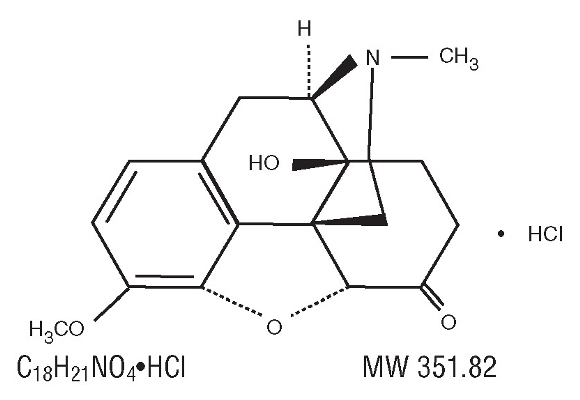
Oxycodone, 14-hydroxydihydrocodeinone, is a semisynthetic opioid analgesic which occurs as a white, odorless, crystalline powder having a saline, bitter taste. The molecular formula for oxycodone hydrochloride is C18H21NO4•HCl and the molecular weight is 351.82. It is derived from the opium alkaloid thebaine, and may be represented by the following structural formula:
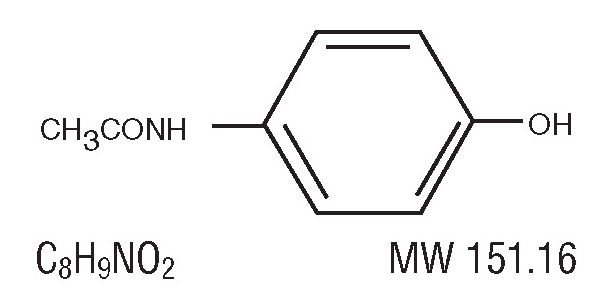
[image: id_14233a23-9270-4b57-8fdd-a6be9a6175a2]Acetaminophen, 4'-hydroxyacetanilide, is a non-opiate, non-salicylate analgesic and antipyretic which occurs as a white, odorless, crystalline powder, possessing a slightly bitter taste. The molecular formula for acetaminophen is C8H9NO2 and the molecular weight is 151.16. It may be represented by the following structural formula:
[image: id_d1e6ffd3-1236-4af2-8617-1d6ffed8ea65]
NDC 21695-924-40
Xolox CII
Oxycodone HCI and
Acetaminophen Tablets, USP
10mg/500mg Rx Only
Net Contents: 40 Tablets
[image: id_771c83ce-728d-4cce-abba-051f7ef8aaa3]
HOW SUPPLIED
XOLOX (oxycodone and acetaminophen tablets, USP) is supplied as white, caplet shaped tablets, debossed “10/500” on one side and “WraSer” on the other side in bottles of 40 tablets, NDC 21695-924-40.
Store at 20° to 25°C (68° to 77°F). [see USP Controlled Room Temperature].
Dispense in a tight, light-resistant container as defined in the USP, with a child-resistant closure (as required).
DEA Order Form Required.
Manufactured for:
WraSer
Pharmaceuticals
Madison, MS 39110
Manufactured by:
MIKART, INC.
Atlanta, Georgia 30318
Code 988C00 Rev.08/08
Repackaged by:
Rebel Distributors Corp
Thousand Oaks, CA 91320
Photos of the product and/or packaging supplied by the manufacturer.

CLINICAL PHARMACOLOGY
Central Nervous System
Oxycodone is a semisynthetic pure opioid agonist whose principal therapeutic action is analgesia. Other pharmacological effects of oxycodone include anxiolysis, euphoria and feelings of relaxation. These effects are mediated by receptors (notably μ and κ) in the central nervous system for endogenous opioid-like compounds such as endorphins and enkephalins. Oxycodone produces respiratory depression through direct activity at respiratory centers in the brain stem and depresses the cough reflex by direct effect on the center of the medulla.
Acetaminophen is a non-opiate, non-salicylate analgesic and antipyretic. The site and mechanism for the analgesic effect of acetaminophen has not been determined. The antipyretic effect of acetaminophen is accomplished through the inhibition of endogenous pyrogen action on the hypothalamic heat-regulating centers.
Gastrointestinal Tract and Other Smooth Muscle
Oxycodone reduces motility by increasing smooth muscle tone in the stomach and duodenum. In the small intestine, digestion of food is delayed by decreases in propulsive contractions. Other opioid effects include contraction of biliary tract smooth muscle, spasm of the Sphincter of Oddi, increased ureteral and bladder sphincter tone, and a reduction in uterine tone.
Cardiovascular System
Oxycodone may produce a release of histamine and may be associated with orthostatic hypotension, and other symptoms, such as pruritus, flushing, red eyes, and sweating.
Pharmacokinetics
Absorption and Distribution
The mean absolute oral bioavailability of oxycodone in cancer patients was reported to be about 87%. Oxycodone has been shown to be 45% bound to human plasma proteins in vitro. The volume of distribution after intravenous administration is 211.9 ±186.6 L.
Absorption of acetaminophen is rapid and almost complete from the GI tract after oral administration. With overdosage, absorption is complete in 4 hours. Acetaminophen is relatively uniformly distributed throughout most body fluids. Binding of the drug to plasma proteins is variable; only 20% to 50% may be bound at the concentrations encountered during acute intoxication.
Metabolism and Elimination
A high portion of oxycodone is N-dealkylated to noroxycodone during first-pass metabolism. Oxymorphone, is formed by the O-demethylation of oxycodone. The metabolism of oxycodone to oxymorphone is catalyzed by CYP2D6. Free and conjugated noroxycodone, free and conjugated oxycodone, and oxymorphone are excreted in human urine following a single oral dose of oxycodone. Approximately 8% to 14% of the dose is excreted as free oxycodone over 24 hours after administration. Following a single, oral dose of oxycodone, the mean ± SD elimination half-life is 3.51 ± 1.43 hours.
Acetaminophen is metabolized in the liver via cytochrome P450 microsomal enzyme. About 80-85% of the acetaminophen in the body is conjugated principally with glucuronic acid and to a lesser extent with sulfuric acid and cysteine. After hepatic conjugation, 90 to 100% of the drug is recovered in the urine within the first day.
About 4% of acetaminophen is metabolized via cytochrome P450 oxidase to a toxic metabolite which is further detoxified by conjugation with glutathione, present in a fixed amount. It is believed that the toxic metabolite NAPQI (N acetyl-p-benzoquinoneimine, N-acetylimidoquinone) is responsible for liver necrosis. High doses of acetaminophen may deplete the glutathione stores so that inactivation of the toxic metabolite is decreased. At high doses, the capacity of metabolic pathways for conjugation with glucuronic acid and sulfuric acid may be exceeded, resulting in increased metabolism of acetaminophen by alternate pathways.
Information for Patients/Caregivers
The following information should be provided to patients receiving XOLOX by their physician, nurse, pharmacist, or caregiver:
1. Patients should be aware that XOLOX contains oxycodone, which is a morphinelike substance.
2. Patients should be instructed to keep XOLOX in a secure place out of the reach of children. In the case of accidental ingestions, emergency medical care should be sought immediately.
3. When XOLOX is no longer needed, the unused tablets should be destroyed by flushing down the toilet.
4. Patients should be advised not to adjust the medication dose themselves. Instead, they must consult with their prescribing physician.
5. Patients should be advised that XOLOX may impair mental and/or physical ability required or the performance of potentially hazardous tasks (e.g., driving, operating heavy machinery).
6. Patients should not combine XOLOX with alcohol, opioid analgesics, tranquilizers, sedatives, or other CNS depressants unless under the recommendation and guidance of a physician. When co-administered with another CNS depressant, XOLOX can cause dangerous additive central nervous system or respiratory depression, which can result in serious injury or death.
7. The safe use of XOLOX during pregnancy has not been established; thus, women who are planning to become pregnant or are pregnant should consult with their physician before taking XOLOX.
8. Nursing mothers should consult with their physicians about whether to discontinue nursing or discontinue XOLOX because of the potential for serious adverse reactions to nursing infants.
9. Patients who are treated with XOLOX for more than a few weeks should be advised not to abruptly discontinue the medication. Patients should consult with their physician for a gradual discontinuation dose schedule to taper off the medication.
10. Patients should be advised that XOLOX is a potential drug of abuse. They should protect it from theft, and it should never be given to anyone other than the individual for whom it was prescribed.
Drug/Laboratory Test Interactions
Depending on the sensitivity/specificity and the test methodology, the individual components of XOLOX may cross-react with assays used in the preliminary detection of cocaine (primary urinary metabolite, benzoylecgonine) or marijuana (cannabinoids) in human urine. A more specific alternate chemical method must be used in order to obtain a confirmed analytical result. The preferred confirmatory method is gas chromatography/mass spectrometry (GC/MS). Moreover, clinical considerations and professional judgment should be applied to any drug-of-abuse test result, particularly when preliminary positive results are used.
Acetaminophen may interfere with home blood glucose measurement systems; decreases of > 20% in mean glucose values may be noted. This effect appears to be drug, concentration and system dependent.
Carcinogenesis, Mutagenesis, Impairment of Fertility
Carcinogenesis
Animal studies to evaluate the carcinogenic potential of oxycodone and acetaminophen have not been performed.
Mutagenesis
The combination of oxycodone and acetaminophen has not been evaluated for mutagenicity. Oxycodone alone was negative in a bacterial reverse mutation assay (Ames), an in vitro chromosome aberration assay with human lymphocytes without metabolic activation and an in vivo mouse micronucleus assay. Oxycodone was clastogenic in the human lymphocyte chromosomal assay in the presence of metabolic activation and in the mouse lymphoma assay with or without metabolic activation.
Fertility
Animal studies to evaluate the effects of oxycodone on fertility have not been performed.
Labor and Delivery
XOLOX is not recommended for use in women during and immediately prior to labor and delivery due to its potential effects on respiratory function in the newborn.
Create a free account to view complete drug information, save medications, and more.
Free forever · No credit card required